



- Stainless Steel Anchor Chain
- Manganese Steel Lifting Chain Grade 80
- Manganese Steel Lifting Chain
- Hastelloy Round Bars
- Hastelloy Sheet
- Hastelloy steel pipe
- Stainless steel wire rope
- Stainless steel round
- Stainless steel hexagonal rod
- Stainless steel strip
- Plastic coating wire rope
- Stainless steel plate
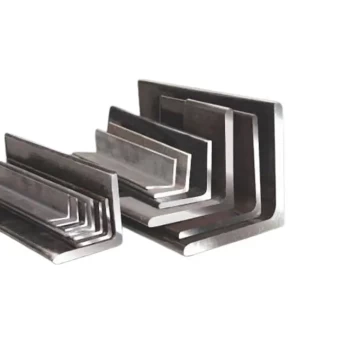
- Stainless steel angle
- Stainless steel pipe
- Stainless steel wire
- Stainless steel flange
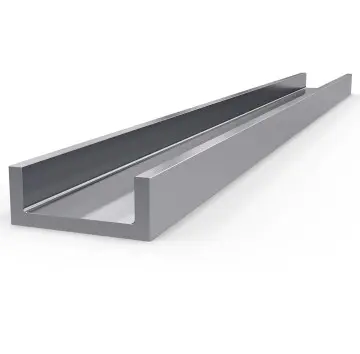
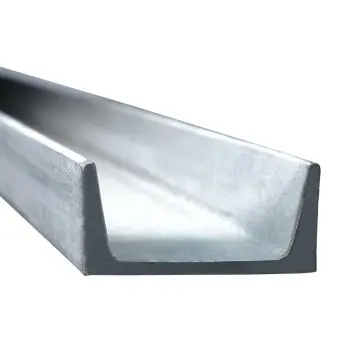
- Stainless steel channel
- Stainless steel flat steel
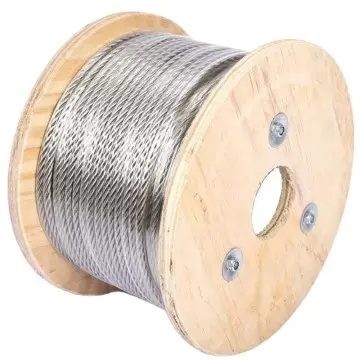
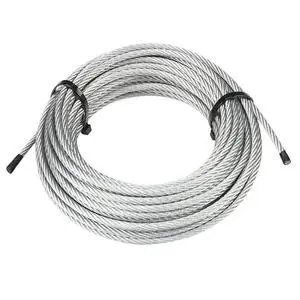
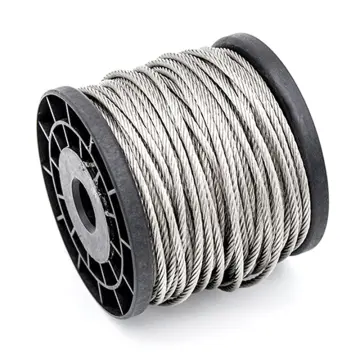
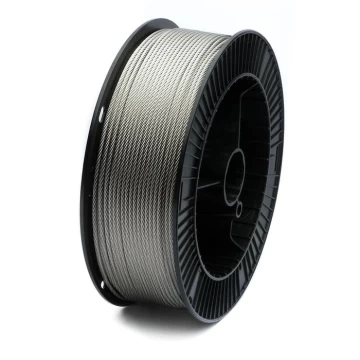
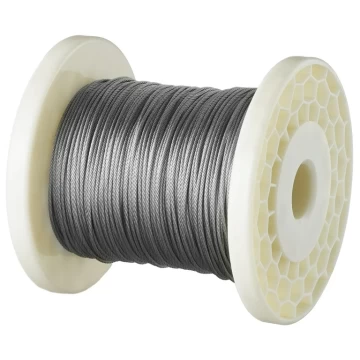
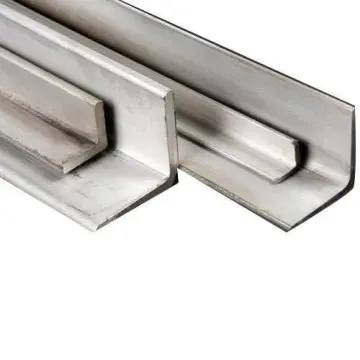


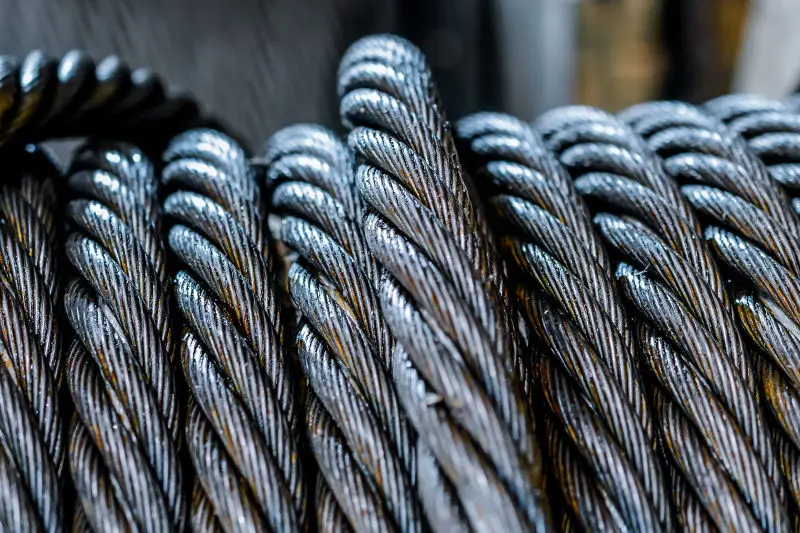
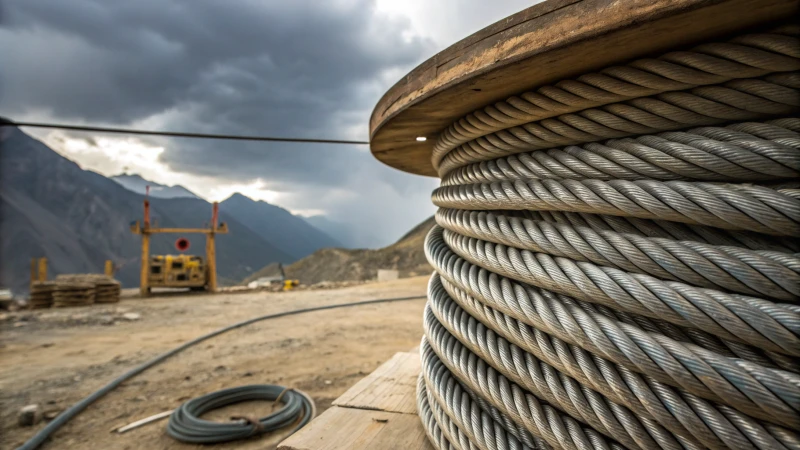
6×19 Steel Core (IWRC),High-strength lifting wire rope, wear-resistant
Hositing steel wire rope
"6x19 + IWRC hoisting wire rope" is one of the most widely used and important structures in lifting machinery. It excels in strength, wear resistance and compression resistance. The following is a detailed description, characteristics and application scope of this specification:
Main features:
The core feature of the 6x19 + IWRC structure is its metal rope core, which brings significant strength and stability improvements:
(1) High strength and stability: The independent wire rope core (IWRC) significantly improves the tensile strength and breaking load of the wire rope, enabling it to carry higher weights than fiber core rope (FC).
(2) Strong compression resistance:The steel core structure provides a solid internal support, making the wire rope less likely to be flattened or deformed when subjected to radial pressure. This is crucial for large-tonnage lifting, multi-layer winding (such as winding multiple layers on a drum) or frequent pressure applications.
(3) Heat resistance: Since the rope core is made of metal, it is more resistant to high temperatures than fiber core and is suitable for lifting operations in high temperature environments.
(4) Slightly less flexible: Compared with FC rope, the overall flexibility of IWRC rope is slightly worse, but through reasonable pulley and drum design (larger D/d ratio), its fatigue life can be effectively maintained.
(5) Lubrication requirements: Although IWRC itself also needs lubrication, its oil storage capacity is not as good as FC rope, so it requires more frequent or more professional external lubrication maintenance.
Scope of application:
6x19 + IWRC is the preferred choice for heavy industry and high-intensity operations, and is widely used in:
(1) Large tonnage cranes: such as the main hoisting ropes of bridge cranes, gantry cranes, and tire cranes.
(2) Port machinery: such as the lifting and luffing of container cranes (quay cranes, yard cranes).
(3) Mining machinery: vertical or inclined shaft winches, shaft drilling equipment.
(4) Heavy construction machinery: Excavators, drilling rigs, pile drivers and other heavy-duty equipment.
(5) High-demand slings: Used to make slings that require high strength and rigidity.
Note: For applications with high lifting heights, high speeds, large tonnage, or requiring multiple layers of spooling (such as mine hoists or large container cranes), steel core ropes (6x19 + IWRC or 6x36 + IWRC) or anti-rotation ropes (such as 35x7) are generally preferred due to their higher compressive and rotational resistance.
Applications:
(1) Engineering crane
(2) Port crane
(3) Industrial crane
(4) Offshore crane
(5) Winch
(6) Drilling platform
When should crane wire ropes be scrapped?
When a wire rope meets any of the following conditions, it should be scrapped:
(1) The number of broken wires in one twist of the wire rope exceeds 10% of the total number of wires.
(2) The wear of the outer wire exceeds 40% of the original diameter. If it is less than 40%, it can be disassembled and scrapped according to the number of broken wires.
(3) The number of broken wires in a molten iron or hazardous goods lifting wire rope reaches half the number of broken wires that should be scrapped for general lifting equipment, including the reduction of wire surface corrosion.
(4) The wire rope diameter is reduced by 7%.
(5) The entire strand of the wire rope is broken or the fiber core is exposed, and part of the outer wire is extended in a cage-like or hardened state.
Key points when replacing wire ropes for lifting machinery:
(1) When replacing old wire ropes, qualified original design models, diameters, nominal tensile strength and wire ropes must be used. If only the same diameter is met and other requirements are lower than the original specifications, the service life of the wire rope will inevitably be affected.
(2) It is forbidden to use wire ropes without a certificate of conformity. If the wire rope diameter does not conform to the original design, the total breaking force must be equal to the original design. Then the diameter difference should not exceed: 1mm when the original diameter is less than 20mm and 1.5mm when the original diameter exceeds 20mm. If it is too thicker than the original, it will cause the wire rope to rub against each other when it is wound on the drum, increasing wear.
(3) When replacing or winding the wire rope, be careful not to let the wire rope become knotted. Practice has shown that knotted wire ropes are most likely to wear and break during use. It is forbidden to connect two wire ropes in the lifting mechanism.
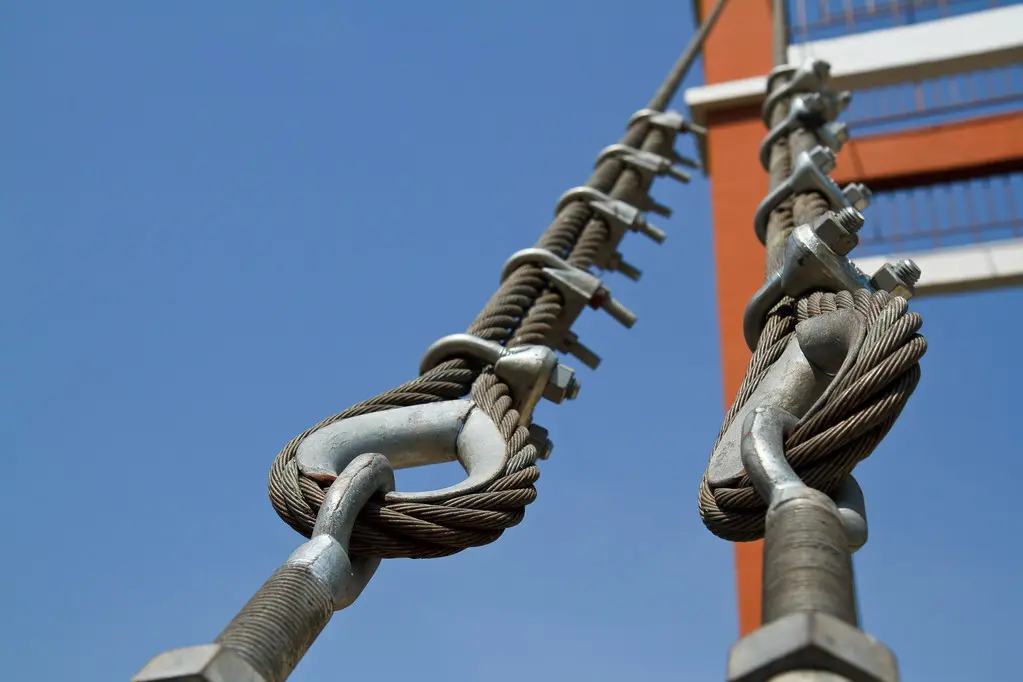
You can learn about our advantages. Wire rope products have various excellent properties and are suitable for a range of applications such as heavy lifting and supporting suspension bridges. If you need wire rope solutions, please feel free to contact us.
6x19+IWRC Specification
| Nominal diameter | Approx. weight | Minimum breaking load | |
| 1770N/mm虏 | 1960N/mm虏 | ||
| mm | Kg/m | KN | |
| 6 | 0.144 | 22.7 | 25.1 |
| 7 | 0.196 | 30.9 | 34.2 |
| 8 | 0.256 | 40.3 | 44.7 |
| 9 | 0.324 | 51 | 56.5 |
| 10 | 0.4 | 63 | 69.8 |
| 11 | 0.484 | 76.2 | 84.4 |
| 12 | 0.576 | 90.7 | 100.4 |
| 13 | 0.676 | 106 | 118 |
| 14 | 0.784 | 124 | 137 |
| 15 | 0.902 | 143 | 158 |
| 16 | 1.02 | 161 | 179 |
| 17 | 1.16 | 183 | 203 |
| 18 | 1.3 | 204 | 226 |
| 19 | 1.45 | 228 | 252 |
| 20 | 1.6 | 252 | 279 |
| 21 | 1.77 | 279 | 309 |
| 22 | 1.94 | 305 | 338 |
| 24 | 2.3 | 363 | 402 |
| 25 | 2.5 | 395 | 437 |
| 26 | 2.7 | 426 | 472 |
| 27 | 2.92 | 460 | 509 |
| 28 | 3.14 | 494 | 547 |
| 29 | 3.38 | 532 | 589 |
| 30 | 3.62 | 570 | 631 |