



- Stainless Steel Anchor Chain
- Manganese Steel Lifting Chain Grade 80
- Manganese Steel Lifting Chain
- Hastelloy Round Bars
- Hastelloy Sheet
- Hastelloy steel pipe
- Stainless steel wire rope
- Stainless steel round
- Stainless steel hexagonal rod
- Stainless steel strip
- Plastic coating wire rope
- Stainless steel plate
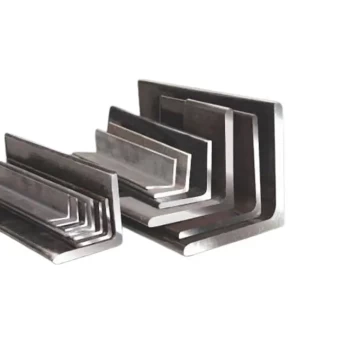
- Stainless steel angle
- Stainless steel pipe
- Stainless steel wire
- Stainless steel flange
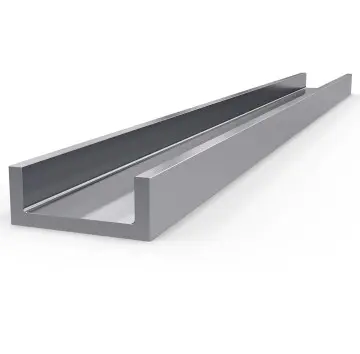
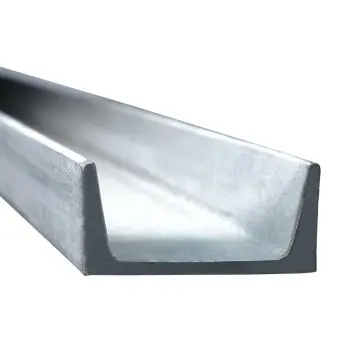
- Stainless steel channel
- Stainless steel flat steel
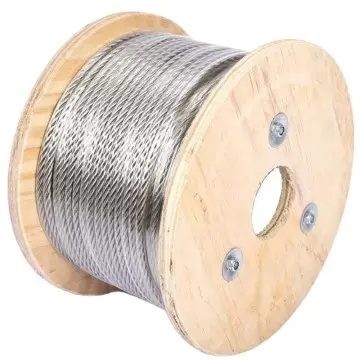
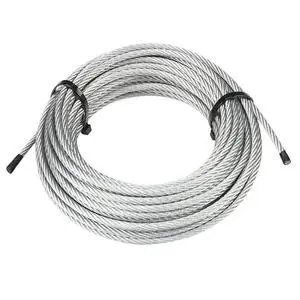
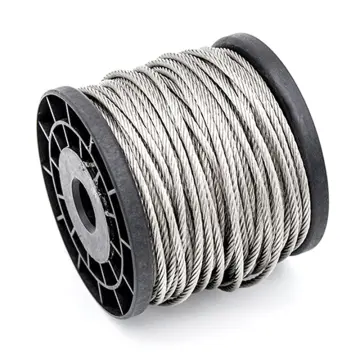
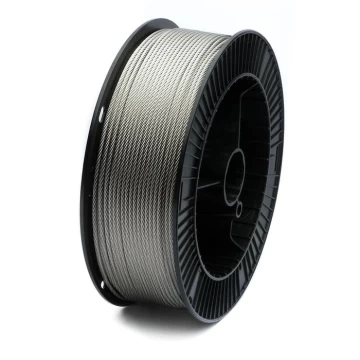
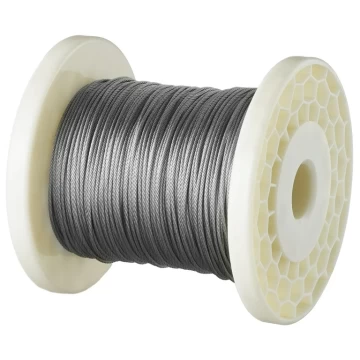


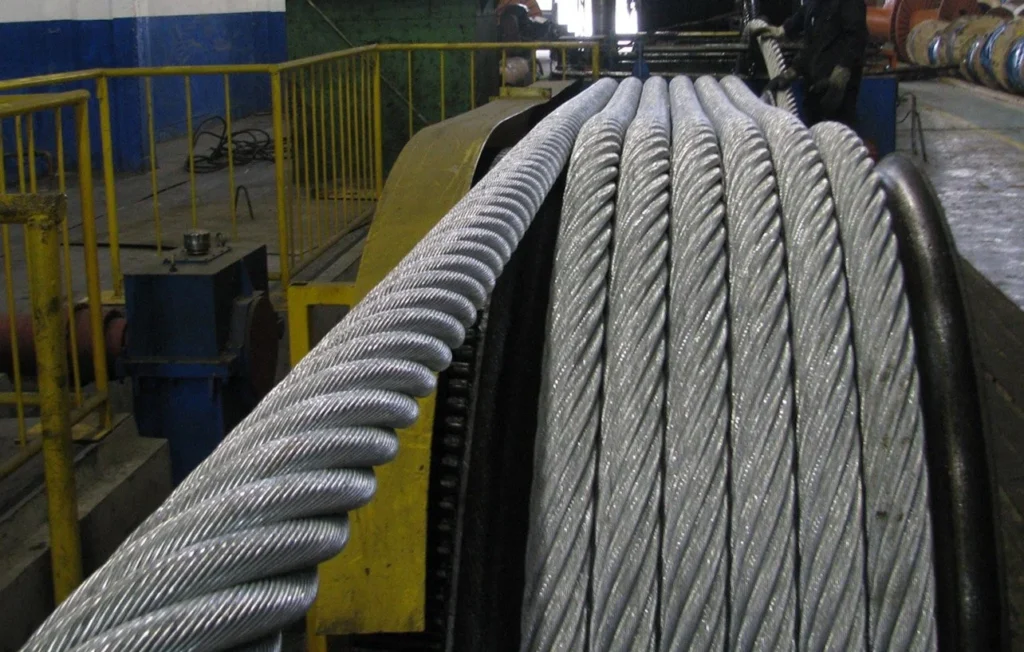

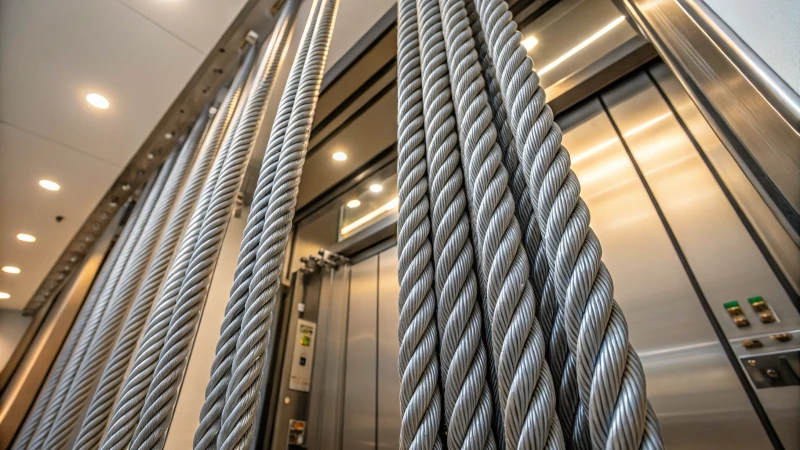
8x19S-IWRC & 8x19W-IWRC CSC High-strength traction elevator wire rope
Elevator steel wire rope
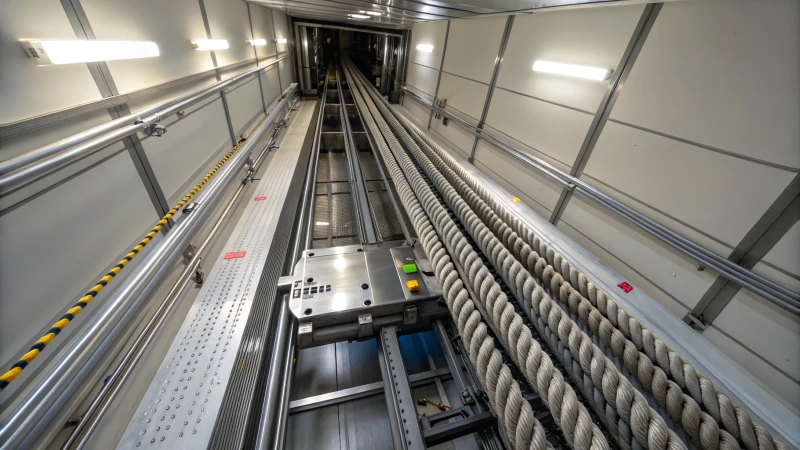
Elevator wire rope is a very important load-bearing component in the elevator. It is mainly used to suspend the car and counterweight, and drives the elevator through the friction between the traction wheel.
The following is a description of the elevator wire rope and its main features:
1. Functional positioning:
• Load-bearing: It bears almost the entire weight of the elevator (car, load, counterweight, wire rope itself, etc.).
• Drive: It relies on the friction with the traction wheel to transmit power and drive the car and counterweight to run.
• Wearing parts: It will bend around the traction wheel, guide wheel, etc. during operation, and at the same time bear high specific pressure and friction. Therefore, it is one of the wearing parts of the elevator.
2. Structural composition: Wire rope usually consists of three parts:
• Steel wire: It is the basic strength unit of the wire rope and is required to have high strength and toughness.
• Strand: Multiple steel wires are twisted into strands. The number of strands commonly used in elevators is mostly 6 or 8 strands. Generally speaking, the more steel wires in each strand, the better the flexibility of the wire rope, but the wear resistance will be relatively reduced. Under the same diameter, the flexibility of 8 strands is better than that of 6 strands, but the wear resistance is lower than that of 6 strands.
• Rope core: Located in the middle of the rope strands, it plays the role of supporting the rope strands and is usually divided into fiber rope core and metal rope core.
Steel wire ropes used in elevators usually use fiber rope cores (such as sisal fiber cores, synthetic fiber cores) to increase the softness (flexibility) of the rope and store lubricating oil.
• There are also structures using steel cores (such as independent wire rope core IWRC, composite steel core CSC).
3. Technical requirements (performance):
• High strength: Must have sufficient tensile strength to withstand the full load.
• Flexibility (softness): Good flexibility is required to adapt to repeated bending when passing around the traction wheel and guide wheel.
• Wear resistance: Need to resist the specific pressure and friction wear in the rope groove.
4. Classification and type (according to purpose and structure):
• Suspension wire rope: used to suspend the car and counterweight, common structures are 8-strand or 6-strand structure, such as 8×19S+SFC or 6×19S+SFC (SFC represents synthetic fiber core).
• Speed governor wire rope: used to connect the speed governor and the car, usually 6×19S+SFC structure is selected.
• Compensation wire rope: used to balance the weight of the traction rope as the position of the car changes, usually large diameter rope.
• Contact state classification: according to the contact state of each layer of steel wire in the rope strand, it can be divided into point contact, line contact, surface contact, etc.
Datasheet for reference only
| 钢丝绳 公称直径 Nominal rope diameter |
参考重量 Approx.weight |
钢丝绳最小破断拉力 Minimum breaking load | ||||||||||
| 双强度 Dual tensile,MPa | 单强度 Single tensile,MPa | |||||||||||
| 1370/1770 | 1570/1770 | 1570 | 1770 | 1960 | ||||||||
| IWRC | CSC | IWRC | CSC | IWRC | CSC | IWRC | CSC | IWRC | CSC | IWRC | CSC | |
| mm | kg/100m | kN | KN | kN | kN | kN | ||||||
| 6 | 14.7 | - | - | - | 21.4 | - | 20.1 | - | 22.7 | - | 25.1 | - |
| 8 | 26.0 | 24.6 | 35.8 | 34.7 | 38.0 | 36.9 | 35.8 | 34.7 | 40.3 | 39.1 | 44.7 | 43.3 |
| 9 | 33.0 | 31.2 | 45.3 | 43.9 | 48.2 | 46.7 | 45.3 | 43.9 | 51.0 | 49.5 | 56.5 | 54.8 |
| 9.5 | 36.7 | 34.7 | 50.4 | 48.9 | 53.7 | 52.0 | 50.4 | 48.9 | 56.9 | 55.1 | 63.0 | 61.0 |
| 10 | 40.7 | 38.5 | 55.9 | 54.2 | 59.5 | 57.6 | 55.9 | 54.2 | 63.0 | 61.1 | 69.8 | 67.6 |
| 11 | 49.2 | 46.6 | 67.6 | 65.5 | 71.9 | 69.7 | 67.6 | 65.5 | 76.2 | 73.9 | 84.4 | 81.8 |
| 12 | 58.6 | 55.4 | 80.5 | 78.0 | 85.6 | 83.0 | 80.5 | 78.0 | 90.7 | 87.9 | 100 | 97.4 |
| 12.7 | 65.6 | 62.1 | 90.1 | 87.4 | 95.9 | 92.9 | 90.1 | 87.4 | 102 | 98.5 | 113 | 109 |
| 13 | 68.8 | 65.1 | 94.5 | 91.5 | 100 | 97.4 | 94.5 | 91.5 | 106 | 103 | 118 | 114 |
| 14 | 79.8 | 75.5 | 110 | 106 | 117 | 113 | 110 | 106 | 124 | 120 | 137 | 133 |
| 15 | 91.6 | 86.6 | 126 | 122 | 134 | 130 | 126 | 122 | 142 | 137 | 157 | 152 |
| 16 | 104 | 98.6 | 143 | 139 | 152 | 147 | 143 | 139 | 161 | 156 | 179 | 173 |
| 18 | 132 | 124.7 | 181 | 175 | 193 | 187 | 181 | 175 | 204 | 198 | 226 | 219 |
| 19 | 147 | 139.0 | 202 | 196 | 215 | 208 | 202 | 196 | 227 | 220 | 252 | 244 |
| 20 | 163 | 154.0 | 224 | 217 | 238 | 230 | 224 | 217 | 252 | 244 | 279 | 270 |
| 22 | 197 | 186.3 | 271 | 262 | 288 | 279 | 271 | 262 | 305 | 296 | 338 | 327 |
Technical data:
| Steel wire rope Ø(allowable tolerance) | |
| Zero load: | With load (10% of Fmin): |
| The maximum value is 3% < 10mm | The minimum value is -1%. |
| The maximum value is 2%, which is greater than 10mm. | The minimum value is -1% > 10mm |