


Lifting chains and rigging equipment
- Stainless Steel Anchor Chain
- Manganese Steel Lifting Chain Grade 80
- Manganese Steel Lifting Chain
- Hastelloy Round Bars
- Hastelloy Sheet
- Hastelloy steel pipe
- Stainless steel wire rope
- Stainless steel round
- Stainless steel hexagonal rod
- Stainless steel strip
- Plastic coating wire rope
- Stainless steel plate
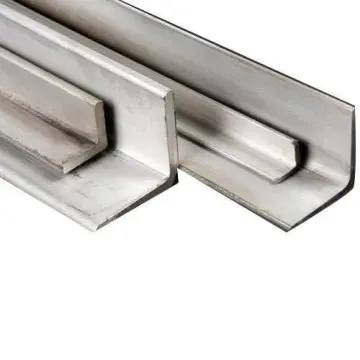
- Stainless steel angle
- Stainless steel pipe
- Stainless steel wire
- Stainless steel flange
- Stainless steel channel
- Stainless steel flat steel

0102030405


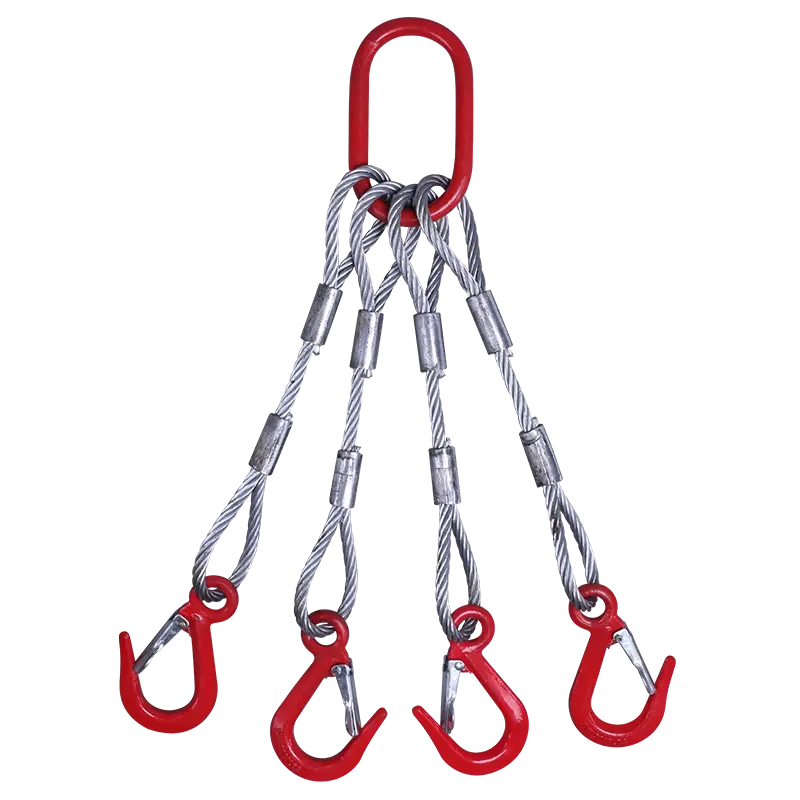
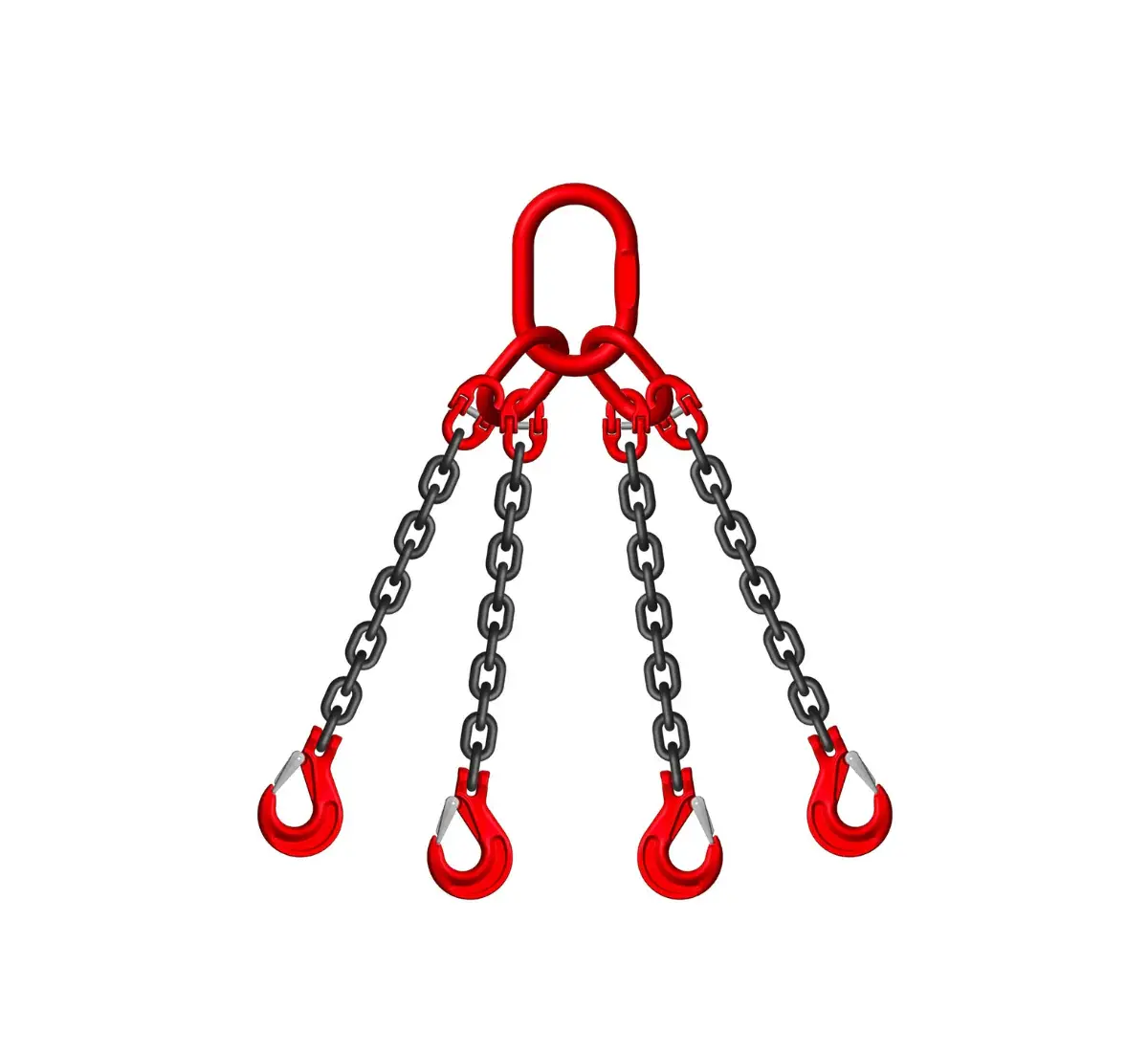
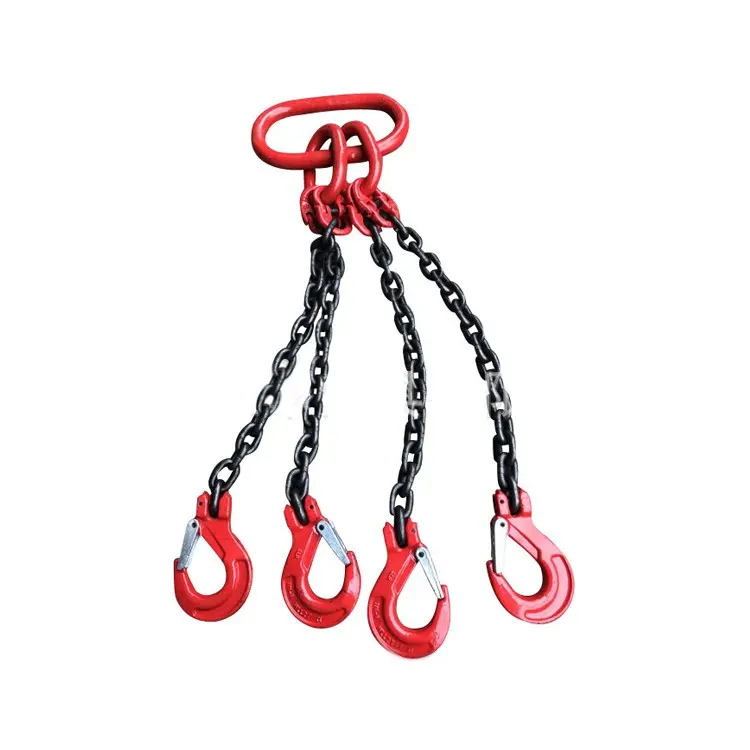
G80 Four-leg chain rigging set
Main Components and Features:
1. Four-Legs:
>This rigging consists of four lifting chains of equal or unequal lengths. It is typically used to lift heavy objects with unstable centers of gravity or that require four support points.
>Compared to single- or double-leg rigging, four-leg rigging provides more stable lifting balance and a higher safe working load.
2. Chain:
>The main load-bearing part of the rigging is generally made of high-strength alloy steel chain, such as the most common G80 grade or the higher grade G100.
>Chain's advantages include durability, high temperature resistance, and wear resistance, making it suitable for harsh industrial environments.
3. Complete Sling Assembly:
This refers to a complete, pre-configured lifting tool. Its main components include:
This refers to a complete, pre-configured lifting tool. Its main components include:
>Top Connector (Upper Ring): Typically a strong ring (such as a main ring or a parent-child ring) used to connect to the crane hook.
>Four Chains (Legs): Connect the main ring to the bottom hook.
>Bottom Connector (Hook): Connects the load being hoisted. Common examples include eye-type self-locking hooks, clevis hooks, and grab hooks.
>Connectors: Connecting links or pins used to connect the chain to the main ring and hook.
Applications and Advantages:
>Applications: Widely used in lifting molds, heavy machinery, steel structures, and large containers.
>Safety: Utilizing G80/G100 high-strength materials and a multi-leg design, it offers a high safety factor and reliable load-bearing capabilities.
>Stability: The four-point load-bearing mechanism effectively controls the load's position, preventing rotation and tilting.
Precautions for Use:
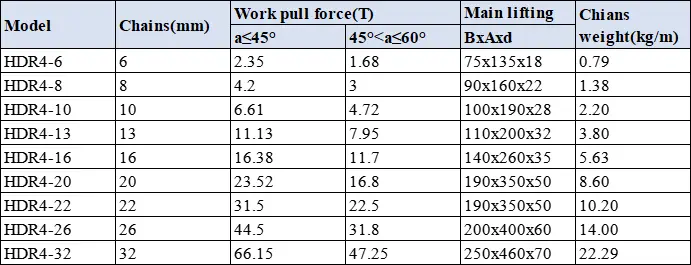
>Lifting Angle: The working load of a four-leg chain sling decreases dramatically as the lifting angle (the angle between the legs and the vertical) increases. Before use, be sure to consult the sling's load table to ensure that the load at the actual lifting angle does not exceed its safe working load (WLL).
>Chain Length: Ensure that all four chain legs are evenly loaded during lifting.
>Regular Inspection: Regularly inspect the chain for deformation, cracks, wear, corrosion, and ensure that the connectors are intact to ensure safe use.