



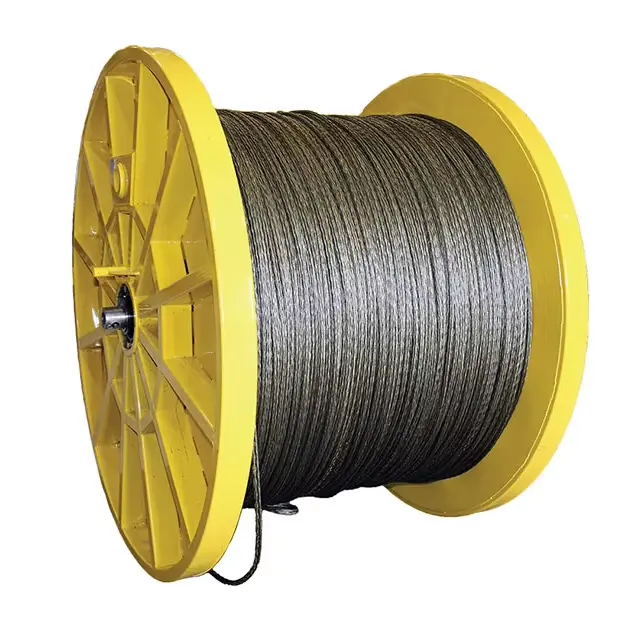
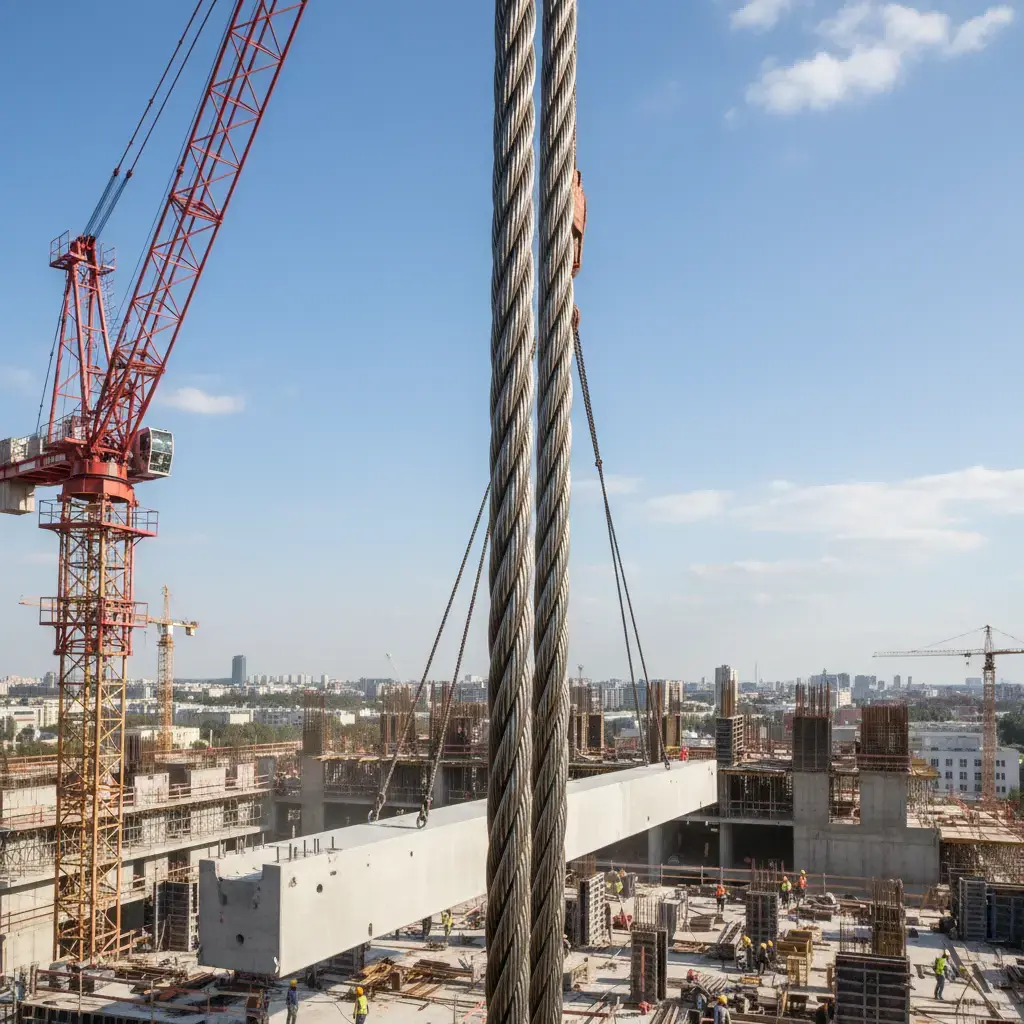
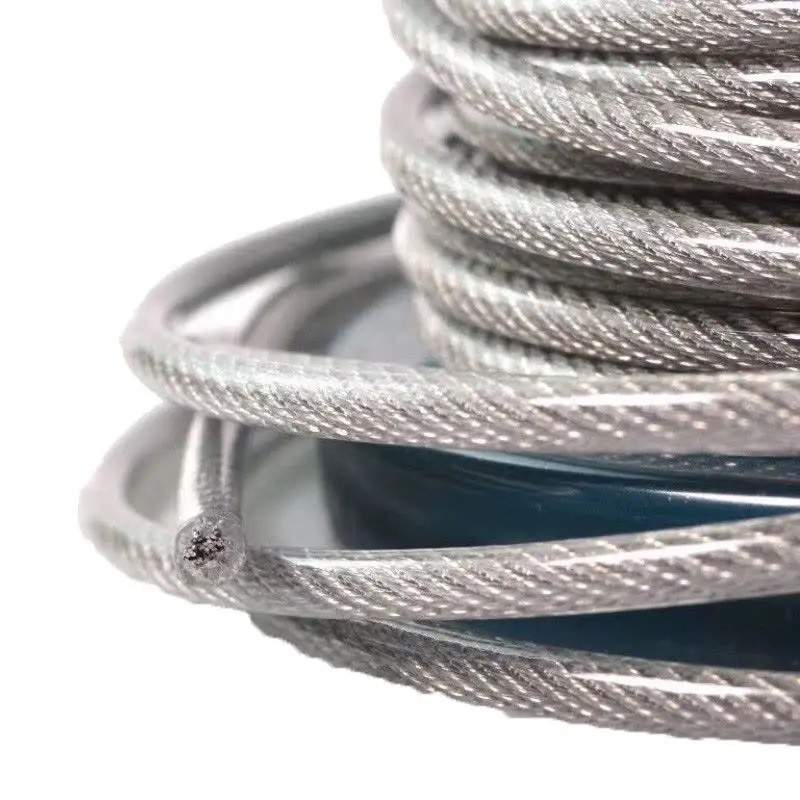
Characteristics of Steel Wire Ropes for Bridges Key Features and Benefits
Main Characteristics and Advantages of Bridge Wire Ropes
I. Main Characteristics
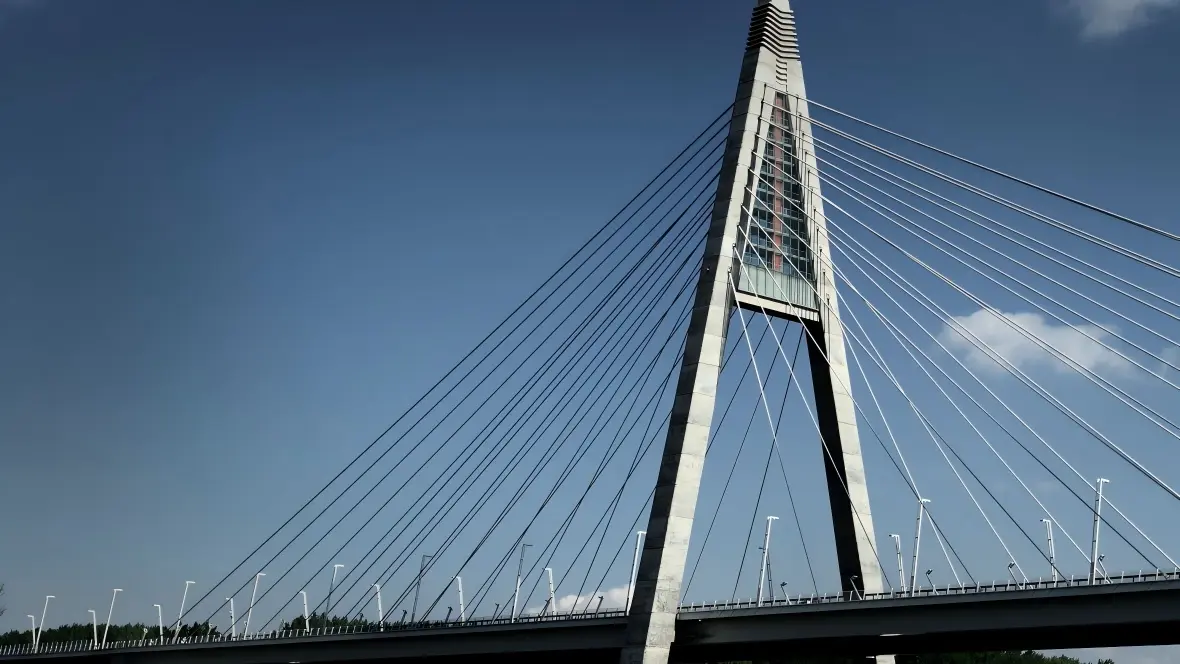
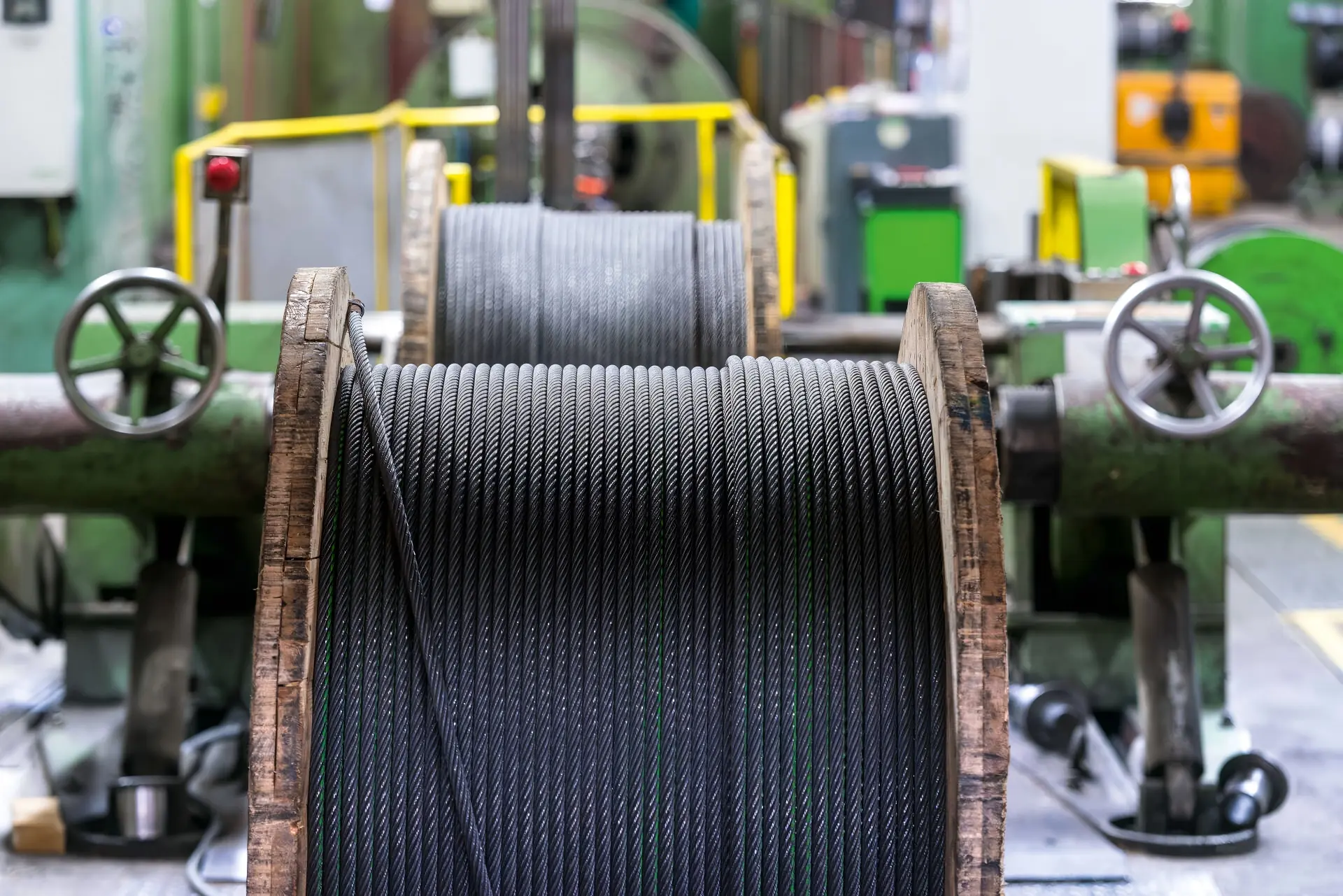
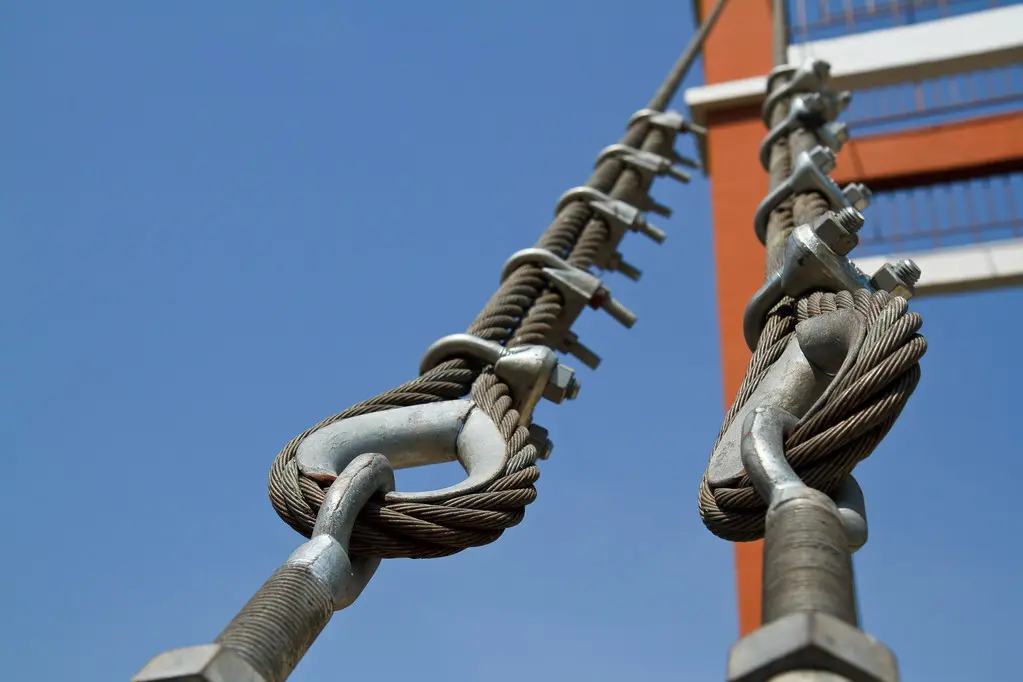
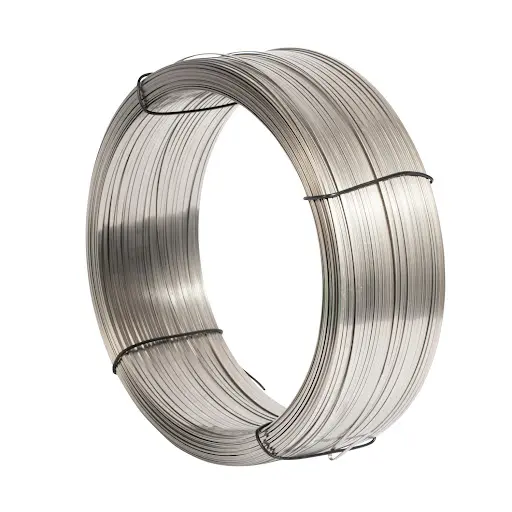
1. Heavy Load Capacity: Bridge wire ropes are made of multiple high-strength steel wires twisted together, and their main characteristic is extremely high tensile strength. For example, the high-strength steel wires commonly used in stay cables and main cables have very high tensile strength grades, capable of withstanding huge tensile loads and meeting the load-bearing requirements of long-span bridges.
2. Excellent Fatigue Resistance: Bridge structures are continuously subjected to cyclic stresses under wind loads, vehicle loads, and temperature changes. Therefore, bridge wire ropes must possess excellent bending fatigue and tensile fatigue properties to ensure that they do not fail prematurely under long-term repeated loading.
3. Good Corrosion Resistance: Bridges are usually exposed to the natural environment and are susceptible to corrosion from air, water, and salt spray (especially in coastal areas). To extend service life and ensure safety, bridge cable wires are usually treated with anti-corrosion measures such as galvanizing, galvanized aluminum alloy coating, or external PE/HDPE protective layers.
4. High Structural Stability and Reliability: Wire ropes possess excellent elasticity, rarely experiencing sudden, catastrophic breakage. They typically exhibit clear warning signs before fracture, enhancing the structural safety redundancy.
II. Main Advantages
1. Lightweight and High Span Capacity: Compared to solid steel structures with equivalent load-bearing capacity, wire ropes are relatively lighter, which is crucial for reducing the weight of the bridge superstructure and enabling designs with larger spans.
2. Smooth Operation and Adaptability to High-Speed Transmission (for Some Applications): While primarily used for static loads, wire ropes ensure smooth force transmission in applications involving temporary tensioning or equipment.
3. Easy Installation and Maintenance: Compared to bulky components, cable installation is relatively flexible, and maintenance (such as regular inspections and replacement of protective materials) is relatively easy to implement.
| Features/Advantages | Detailed description | Function/Significance |
| Ultra-high strength | Made of high-strength alloy steel wire twisted together, it has extremely high tensile strength. | Ensure that the cables can withstand the enormous loads of the bridge. |
| fatigue resistance | Resisting long-term, repeated cyclic loading. | To ensure the structural safety and service life of bridges during long-term operation. |
| Corrosion resistance | Multiple anti-corrosion methods such as galvanizing and coating are employed. | Extend service life, especially in terms of reliability in harsh environments. |
| Relatively light weight | It is lighter than solid components. | It facilitates the design of long-span bridges and reduces the overall structural weight. |
| High security | It has good elasticity, will not break suddenly, and has a safety warning period. | Increase the safety redundancy of the structure. |
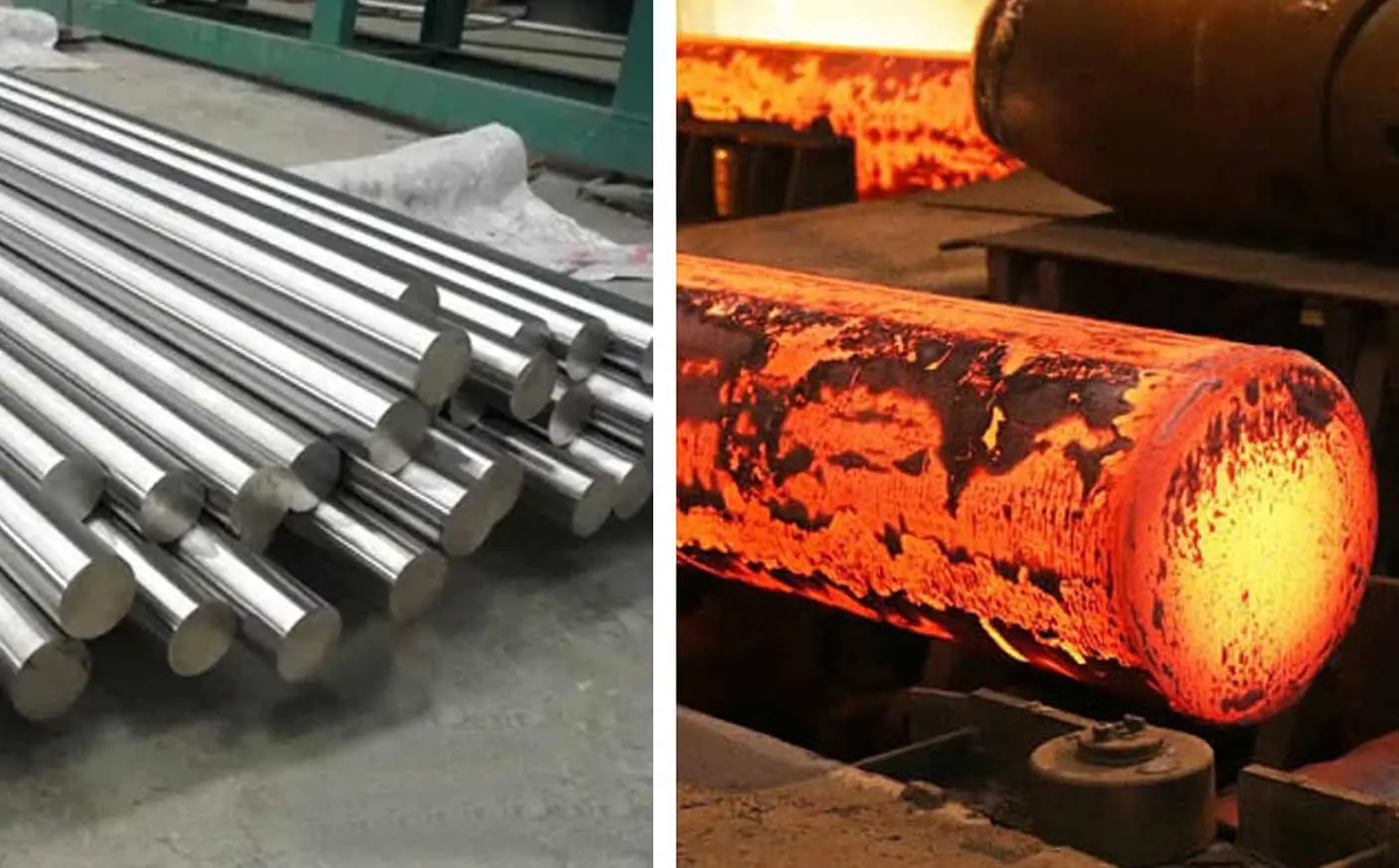
The manufacturing process and material selection for steel wire ropes used in bridges are very strict in order to meet the highest requirements for safety and durability in bridge engineering.