





Corrosion resistance of stainless steel wire rope
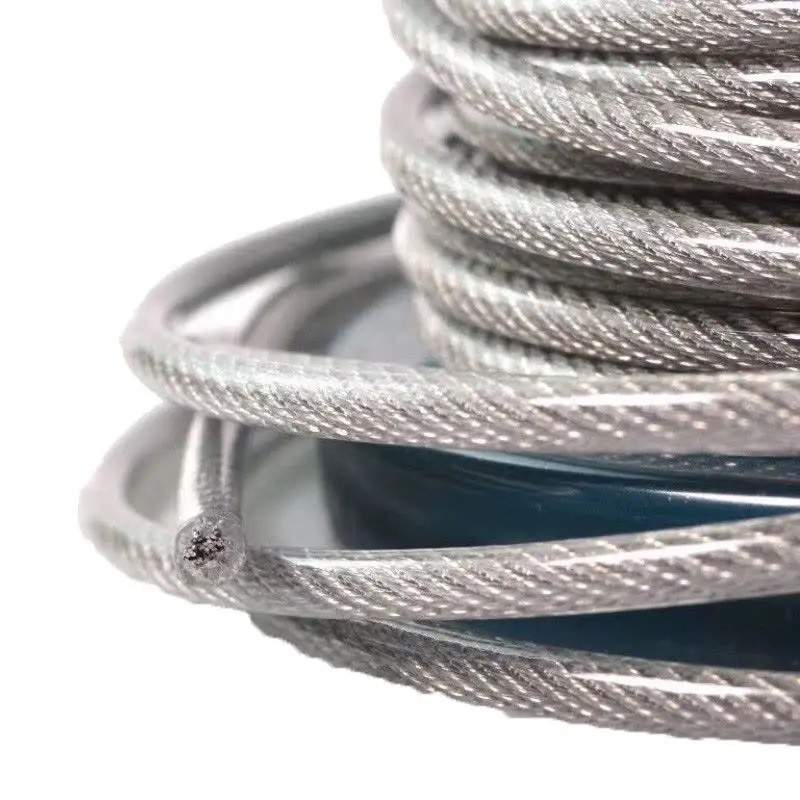
Stainless steel wire rope boasts exceptional corrosion resistance, primarily due to its unique alloy composition. Unlike galvanized wire rope, stainless steel achieves corrosion resistance through its inherent chemical properties.
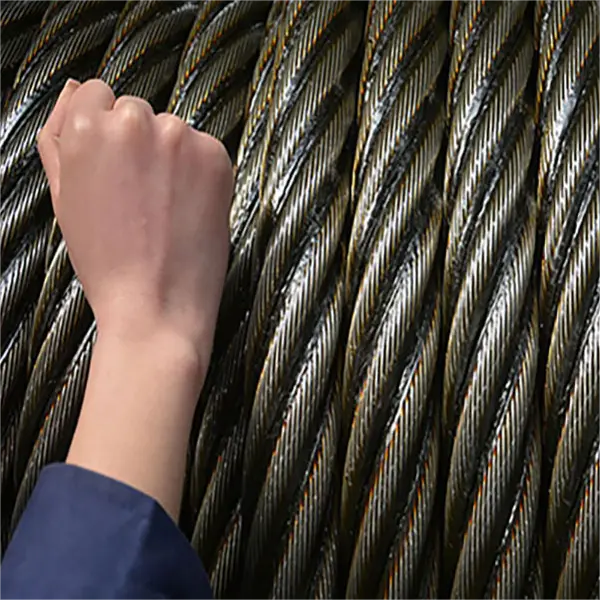
Corrosion Protection Principle
Stainless steel wire rope's corrosion resistance stems from the chromium (Cr) content in its alloy. When the chromium content reaches or exceeds 10.5%, chromium reacts with oxygen in the air, forming an invisible, extremely thin, and dense passive film (primarily composed of chromium trioxide (CR2O3)) on the steel wire surface.
This passive film performs the following key functions:
Physical isolation: It acts as a solid barrier, completely isolating the steel from external corrosive media such as oxygen, moisture, acids, and alkalis, thereby preventing rust.
Self-healing: This is stainless steel's most remarkable property. Even if the passive film is damaged during use due to scratches or other factors, it can be regenerated very quickly as long as there is sufficient oxygen, continuing to protect the steel underneath. This gives stainless steel its "permanent" corrosion resistance.
Common Types and Performance Differences
Stainless steel wire rope comes in various grades, and their corrosion resistance varies depending on the alloy composition. The most common are 304 and 316.
304 stainless steel: This is a general-purpose stainless steel containing 18% chromium and 8% nickel (commonly known as "18-8" stainless steel). It exhibits excellent corrosion resistance in most atmospheric and non-chloride environments.
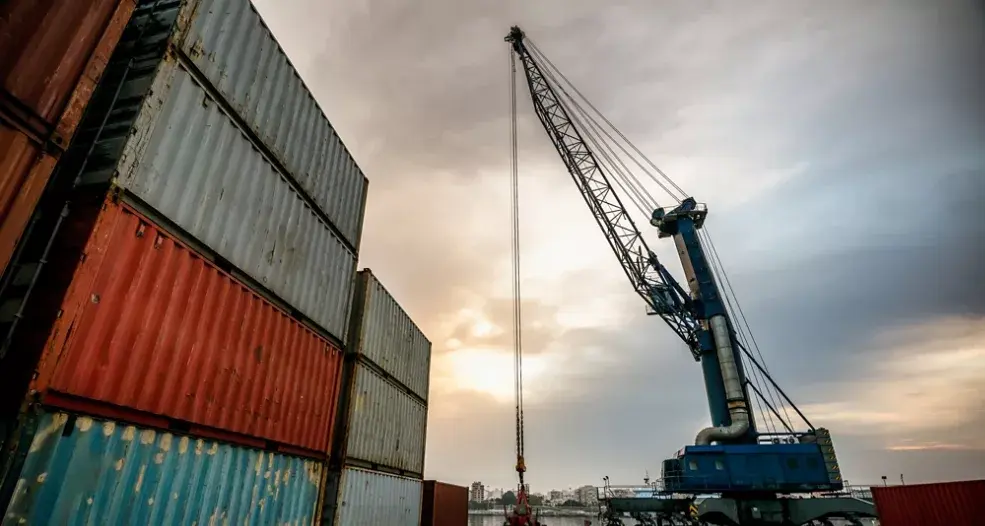
316 stainless steel: This is based on 304 stainless steel with the addition of molybdenum (Mo). The addition of Mo significantly improves the stainless steel's resistance to pitting and crevice corrosion in chloride environments (such as seawater and salt spray). Therefore, 316 stainless steel wire rope is ideal for use in highly corrosive environments such as marine, chemical, and coastal environments.
In general, stainless steel wire rope offers excellent and long-lasting corrosion protection thanks to its unique passive film protection mechanism. The specific operating environment (especially the presence of chlorides) should determine whether to use 304 or a higher grade of stainless steel, such as 316, to ensure optimal durability.