





How to properly store tower crane wire ropes after purchase?
Scientific Storage and Maintenance of Tower Crane Wire Ropes: Ensuring Performance and Extending Lifespan.
I. Strict Requirements for Storage Environment
The storage environment of wire rope is the primary factor affecting its long-term performance. The following environmental control principles must be followed:
1. Humidity and Temperature Control
Dry Environment Preferred: The storage area must be kept low in humidity and dry. High humidity is a major cause of internal and external corrosion (oxidation) of the wire rope.
Temperature Stability: The ideal storage temperature should be maintained at room temperature and relatively stable. Avoid storage in environments with drastic temperature fluctuations or extreme conditions. High temperatures may accelerate the loss or deterioration of the internal grease in the wire rope; low temperatures may cause the grease to harden, affecting its lubrication and protective effect during subsequent use.
2. Isolation from Corrosive Media
Isolation from Chemicals: It is strictly forbidden to store wire rope in the same area as any corrosive chemicals, acids, alkalis, paints, solvents, or vapors. The gases or splashes generated by these substances will rapidly damage the coating and lubrication protection of the wire.
Avoid Dust: The storage area should be kept clean, avoiding large amounts of dust and sand. Adhered particles will act as an abrasive during future use, accelerating the wear of the wire rope. 3. Ground and Ventilation
Off-Ground Storage: Wire ropes should be placed on dry wooden pallets or shelves, completely insulated from the ground. The ground, especially concrete, easily accumulates moisture, causing the bottom wire ropes to become damp and rust.
Good Ventilation: The storage area should have good natural or mechanical ventilation to prevent moisture buildup and air stagnation, but strong, direct drafts that bring in large amounts of dust or moisture should be avoided.
II. Professional Handling During Storage
In addition to environmental control, the preparation of the wire rope itself is equally crucial.
1. Initial Inspection and Records
Receiving Inspection: Upon receipt, check for any transportation damage to the wire ropes, especially the tightness of the winding on the drum and the integrity of the ends.
Records and Traceability: Record the specifications, batch, Supplier, date of receipt, and storage location of the wire ropes. This helps to follow the First-In, First-Out (FIFO) principle and ensures that all wire ropes are within their warranty period before being put into use.
2. Protective Treatment and Lubrication
Maintaining Lubrication: Most tower crane wire ropes are factory-coated with anti-corrosion grease. Before long-term storage, check the grease layer for integrity. If grease is missing or damaged, replenish it using a professional wire rope lubricant compatible with the original grease.
Note: The grease should have rust-preventive, oxidation-resistant, and good adhesion properties.
End Protection: The cut ends of the wire rope (usually secured with wire or special collars) are prone to loosening and moisture absorption. Ensure these ends are properly wrapped or sealed to prevent moisture from penetrating the wire rope.
3. Drum Storage and Orientation
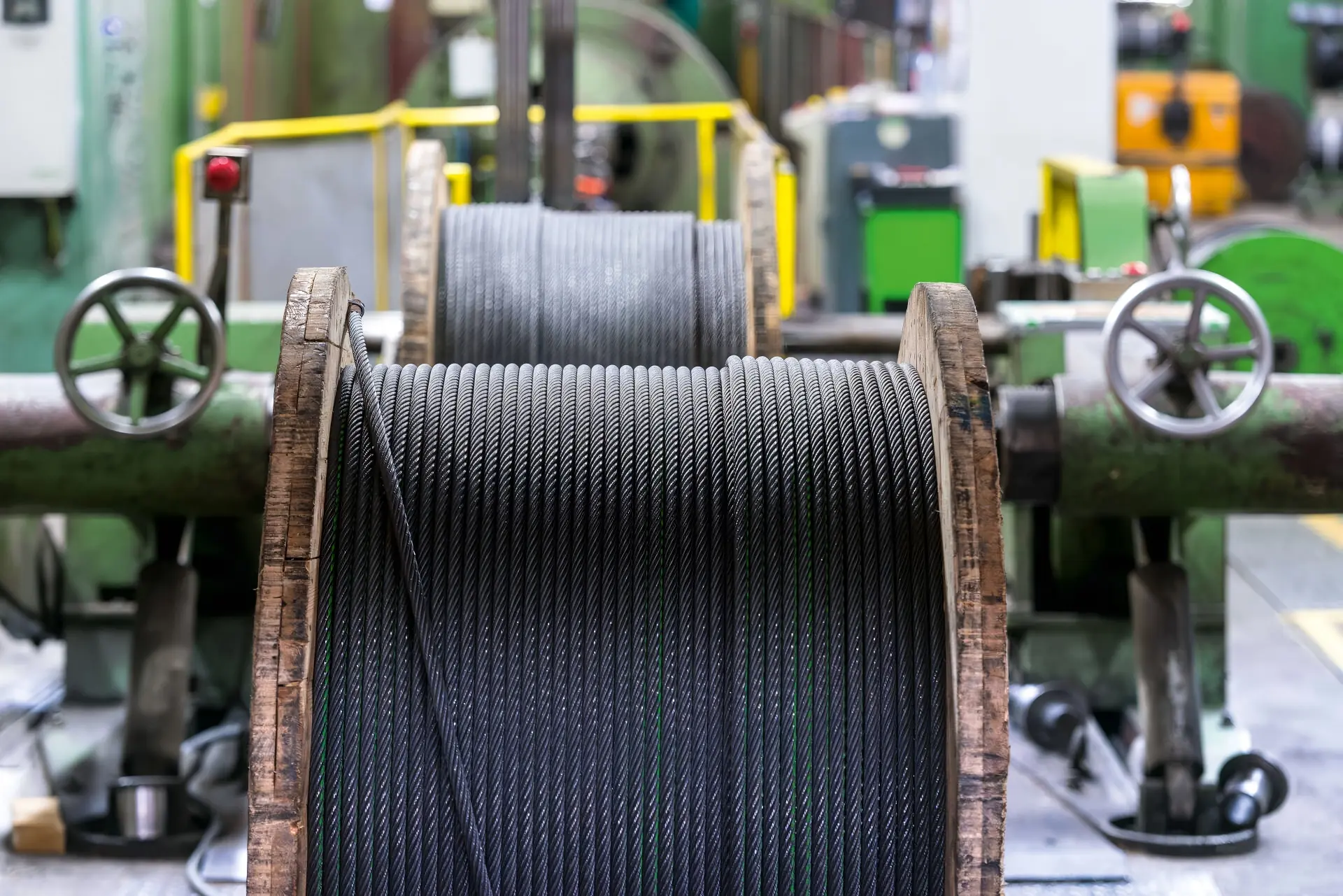
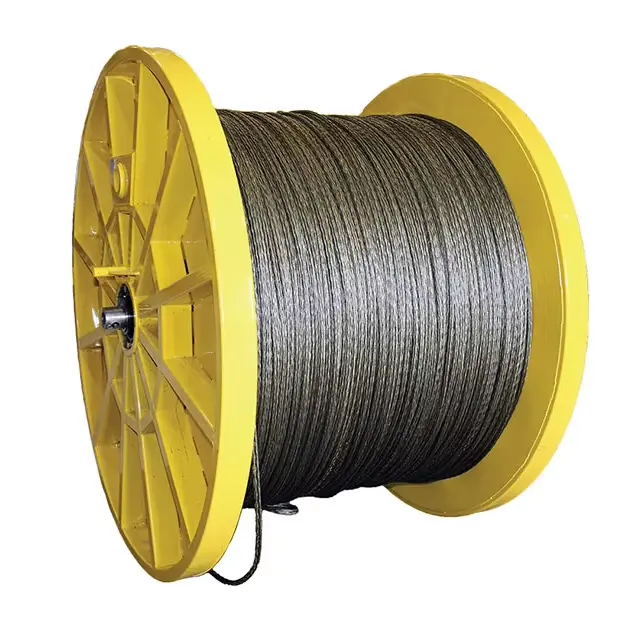
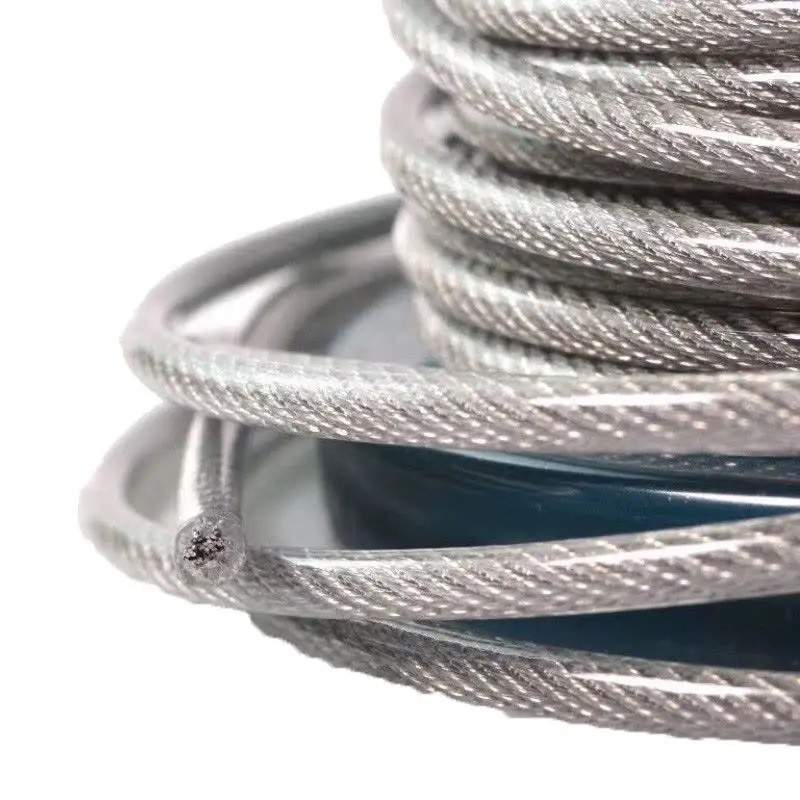
Original Drums: Wire ropes should be stored on their original wooden or steel drums, ensuring tight and neat winding, avoiding slack or crossing to prevent deformation or twisting.
Vertical or Horizontal: Drums should be placed stably. For large drums, horizontal placement with elevation is generally recommended. If vertical placement is used, the drum must be stable to prevent structural damage from tipping over.
Rotating: For wire ropes stored for extended periods, it is recommended to rotate the drum at regular intervals (e.g., every 3-6 months). This helps prevent grease from being squeezed out or causing localized corrosion at the bottom contact points due to prolonged pressure or moisture buildup.
III. Inspection and Management for Long-Term Storage The longer the storage period, the more important maintenance becomes.
Regular Visual Inspection: Regularly inspect the appearance of the wire rope, especially the outermost wires of the drum, for signs of rust, wear, or deteriorated grease.
FIFO: Strictly adhere to First-In-First-Out (FIFO) management, ensuring that the earliest received wire rope is used first to prevent performance degradation due to prolonged storage.
Professional storage management is an indispensable part of the tower crane safety management system. Only by ensuring that the wire rope is in optimal condition before use can its load-bearing capacity be maximized, guaranteeing the safety and reliability of lifting operations.