


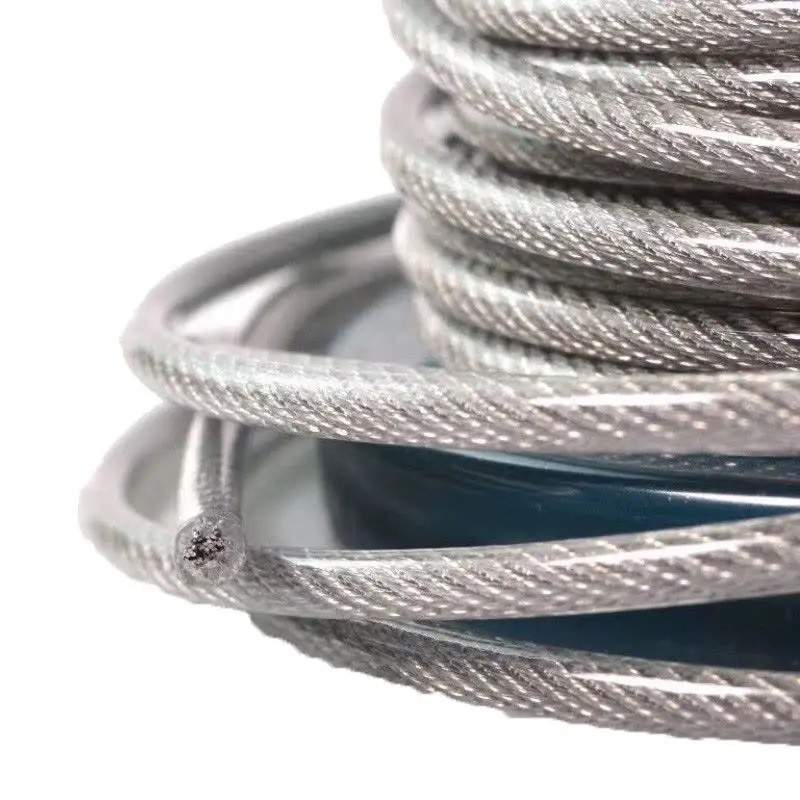
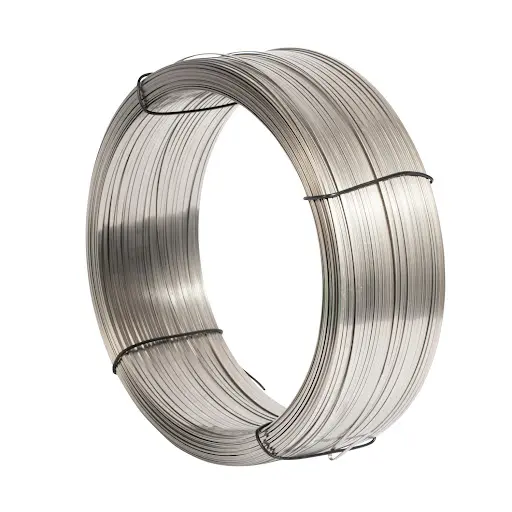
Galvanized steel wire rope and stainless steel wire rope: a professional analysis of their performance, applications and selection.
Steel wire ropes, as important load-bearing and transmission components, are widely used in construction, transportation, marine engineering, and industrial fields. Among the many types, Galvanized Steel Wire Ropes and stainless steel wire ropes are two main options that are often compared in engineering material selection due to their unique corrosion resistance and mechanical properties. This article will provide a professional comparative analysis of the two from multiple dimensions, including materials science, mechanical properties, corrosion resistance mechanisms, and economics, and offer material selection recommendations.
I. Material and Corrosion Protection Mechanism Analysis
1. Galvanized Steel Wire Rope
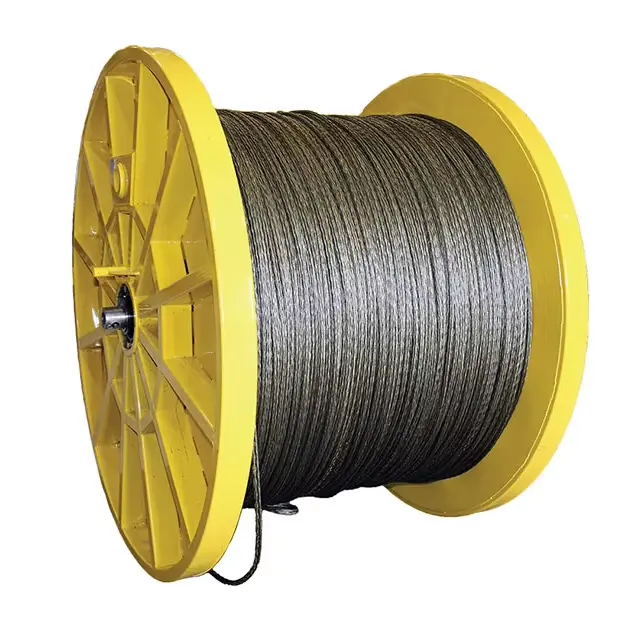
Material Composition: High-carbon steel as the base material, coated with pure zinc or zinc-iron alloy through hot-dip galvanizing or electro-galvanizing processes.
Corrosion Protection Mechanism: The zinc layer prevents the base carbon steel from rusting through a sacrificial anode protection mechanism. When the wire rope surface is damaged and the base material is exposed, the reactive zinc preferentially acts as the anode, thus protecting the relatively inactive iron (cathode).
Performance Characteristics:
Corrosion Resistance: Good, effectively resisting oxidation and general moisture in the atmospheric environment.
Limitations: The zinc layer thickness is limited. In chloride (such as seawater) or strong acid/alkali environments, the zinc layer is rapidly consumed. Once depleted, the base steel will rust quickly.
2. Stainless Steel Wire Rope
Material Composition: Mainly austenitic stainless steel. Commonly used grades include:
AISI 304: Contains 18% chromium and 8% nickel, suitable for general corrosive environments. AISI 316: Contains chromium, nickel, and added molybdenum (Mo).
Corrosion Protection Mechanism: Chromium (Cr) in stainless steel reacts with oxygen in air or water to form a very thin, dense, transparent chromium-rich oxide passivation film on the surface. This film is highly chemically inert and self-healing, thus fundamentally preventing further oxidation and corrosion of the steel substrate.
Performance Characteristics:
Corrosion Resistance: Excellent. Especially 316 stainless steel (marine grade), due to the addition of molybdenum, has significantly improved resistance to pitting corrosion and crevice corrosion, performing excellently in marine and chemical environments.
Limitations: High cost, and stress corrosion cracking (SCC) may still occur in high-temperature chloride environments.
II. Comparison of Mechanical Properties and Fatigue Characteristics
1. Tensile Strength
Galvanized Rope: The base material is usually cold-drawn high-carbon steel, possessing very high tensile strength. Its ultimate breaking force is often higher than that of stainless steel rope of the same specification.
Stainless Steel Rope: Austenitic stainless steel (304/316) can also achieve high strength after cold work hardening, but it is usually slightly lower than that of galvanized steel wire rope of the same grade. However, under specific temperatures or environments, stainless steel rope has better strength retention.
2. Fatigue Performance
Fatigue life is a key indicator of the durability of steel wire rope.
Galvanized Rope: The galvanizing process may affect the internal structure of the steel wire to some extent, but overall, its fatigue performance is good. However, the zinc layer may peel off under long-term high-stress friction, accelerating internal corrosion and thus shortening the fatigue life.
Stainless Steel Rope: In a non-corrosive environment, its fatigue life performance is comparable to that of high-strength steel rope. In corrosive environments, stainless steel effectively prevents the propagation of microcracks in steel wires due to corrosion, resulting in a significantly longer corrosion fatigue life than galvanized steel wire ropes.
III. Professional Material Selection Principles and Application Recommendations
The professional material selection process must be a comprehensive trade-off between performance, environment, lifespan, and cost.
1. Environmental Corrosion Assessment (Critical Factor)
| | | | |
| | | | |
| | | | |
| | | | |
| | | | |
2. Structural and Maintenance Considerations
Maintenance: Stainless steel ropes require virtually no routine maintenance in harsh environments, reducing total cost of ownership (TCO).
Strength Requirements: If the application has absolute requirements for ultimate strength and low corrosion resistance, high-strength galvanized steel wire ropes should be the first choice.
Application Types:
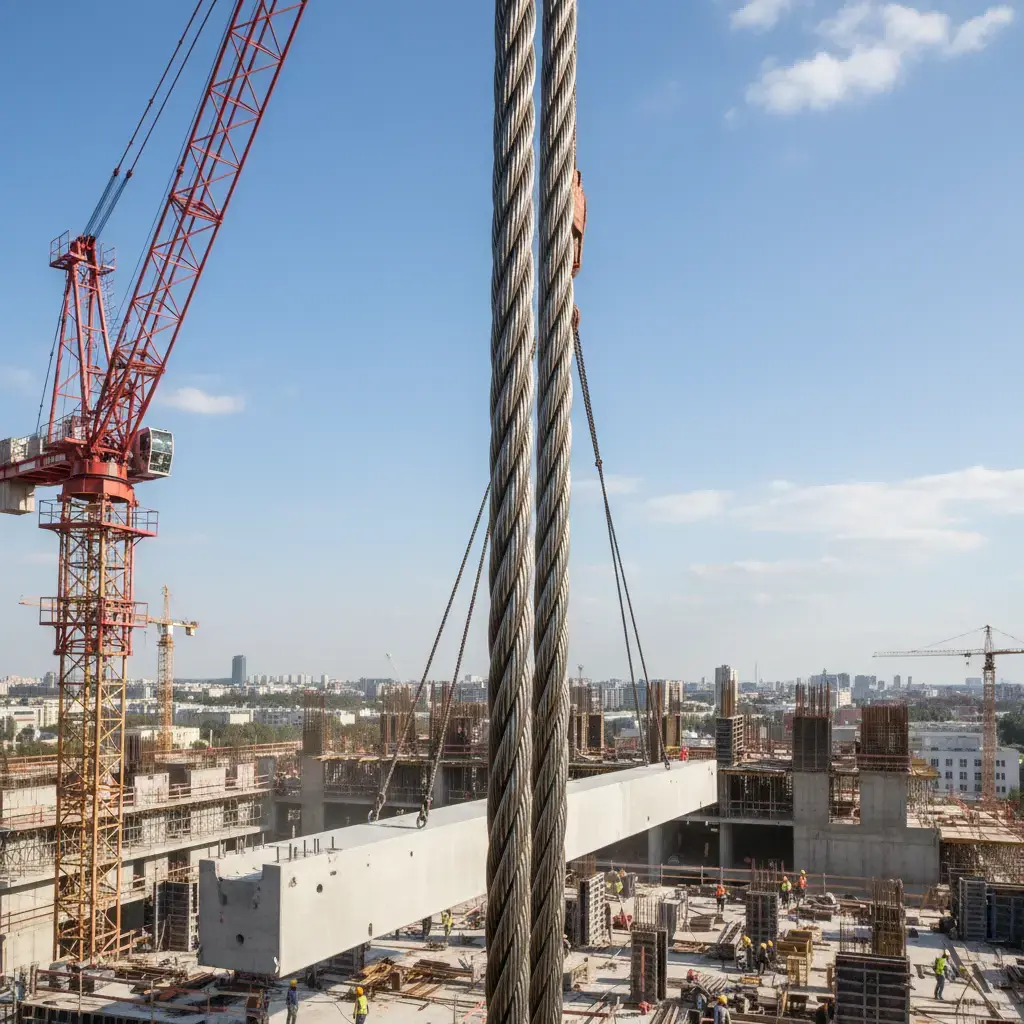
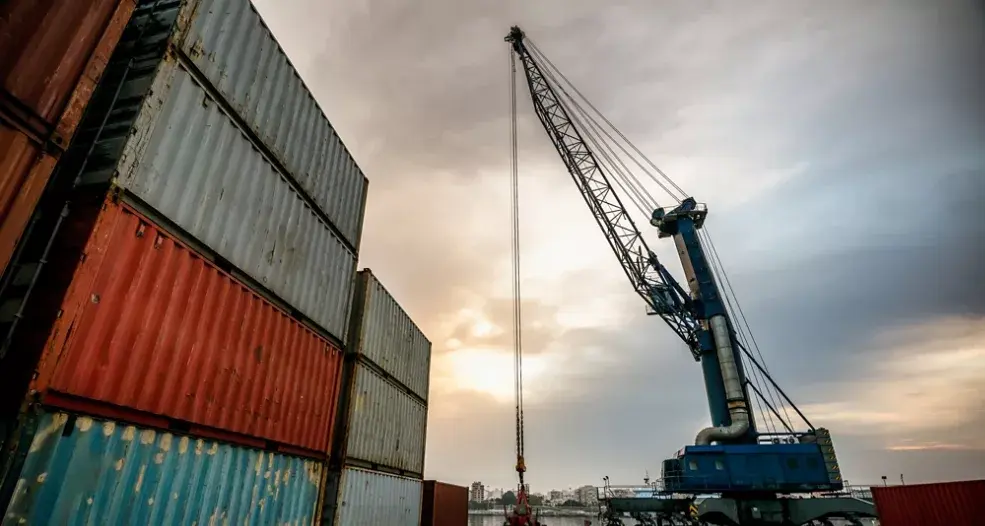
Lifting and hoisting: High-strength galvanized steel wire ropes are typically used, emphasizing safety, breaking strength, and economy.
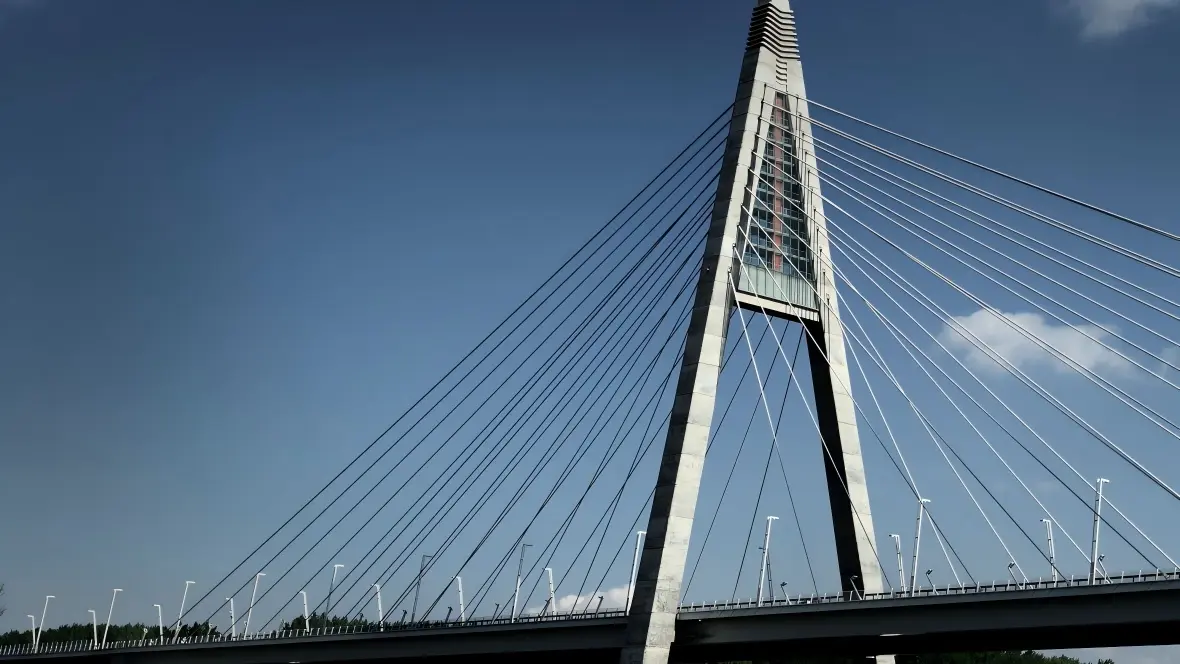
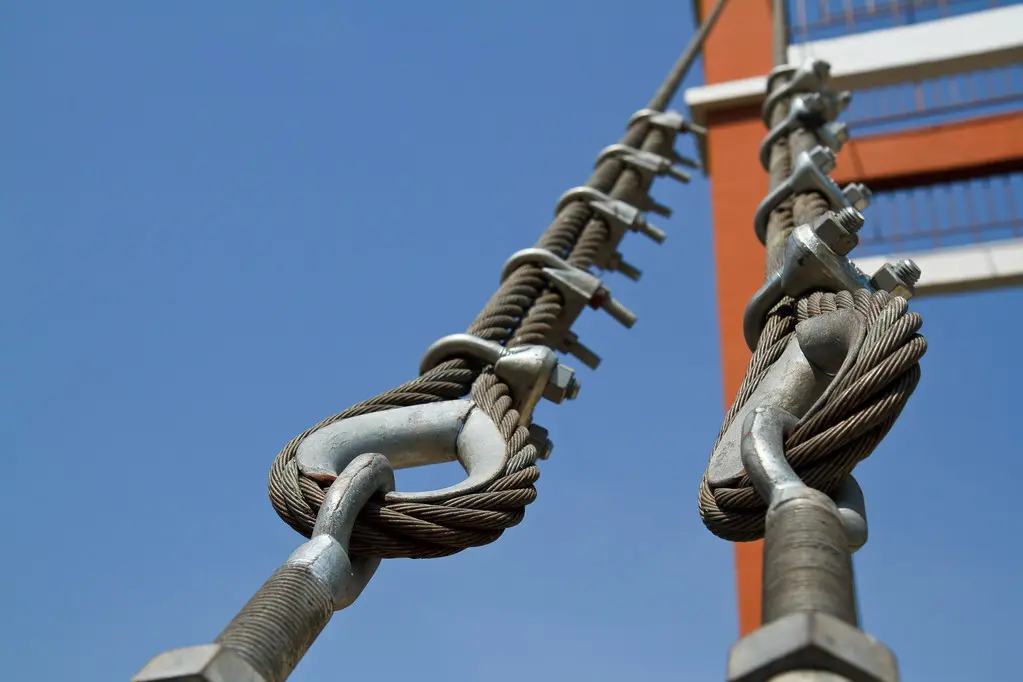
Ribing and cables (e.g., bridges, offshore platforms): Highly Corrosion-Resistant Stainless Steel Wire ropes must be used, emphasizing long-term structural stability and low maintenance requirements.
3. Economic Analysis
Although the initial purchase cost of galvanized steel wire rope is much lower than that of stainless steel wire rope (typically a fraction of the cost), in highly corrosive environments, galvanized rope may require frequent replacements, resulting in a higher long-term total cost (including purchase, replacement, and downtime) compared to the more expensive stainless steel rope. Therefore, a **life cycle cost analysis (LCC)** should be used to determine the final economic solution.
Conclusion
Galvanized steel wire rope is a versatile and cost-effective solution suitable for most general industrial and atmospheric environments, emphasizing high strength and low cost. Stainless steel wire rope, on the other hand, is a high-performance material specifically designed to resist harsh corrosive environments, making it the irreplaceable first choice, especially in marine engineering, chemical engineering, food processing, and applications requiring long-term stability and aesthetics. Engineers should make the most professional material selection based on rigorous environmental assessments, mechanical requirements, and life-cycle cost analysis.