







Properties and Engineering Applications of Hastelloy B2 Round Bars
Hastelloy B2 is a nickel-molybdenum alloy with the following main properties:
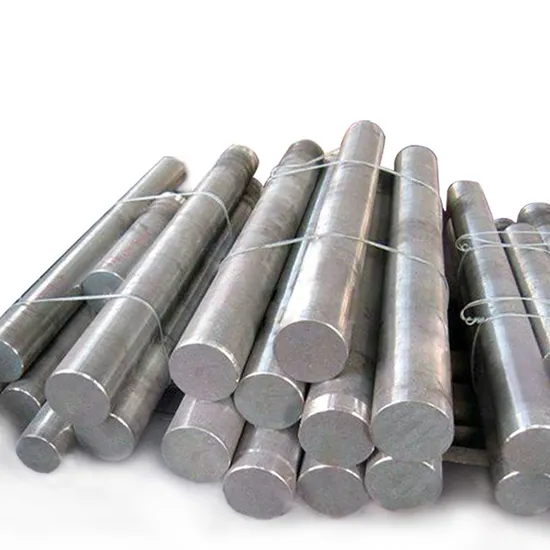
Hastelloy B2 is a nickel-molybdenum (Ni-Mo) superalloy renowned for its exceptional resistance to reducing media corrosion. As a key member of the high-performance alloy family, B2 round bars are widely used in fields with extremely demanding material performance requirements, such as chemical, petrochemical, pharmaceutical, and energy industries. This article will analyze in detail the chemical composition, core performance characteristics, and special considerations for engineering applications of Hastelloy B2 round bars.
I. Chemical Composition and Metallurgical Characteristics
Hastelloy B2 is a solid solution-strengthened nickel-based alloy. Its composition is precisely controlled to maximize resistance to reducing acids and optimize weldability.
| Main elements | wt% | Functions and characteristics |
| Ni | Approximately 69% (base) | It provides the basis for the alloy's toughness, thermal stability, and corrosion resistance. |
| Mo | Approximately 26% - 30% | Core alloying element. Provides excellent resistance to non-oxidizing acids such as hydrochloric acid and sulfuric acid. |
| Fe | Approximately 2% - 6% | Control the cost and machinability of the alloy. |
| Cr | Maximum 1.0% | Intentionally limited. The extremely low chromium content is to prevent the formation of Ni₄Mo or other harmful carbides and intermetallic compound deposits in the heat-affected zone (HAZ), thereby maintaining the corrosion resistance of the weld area. |
Key Metallurgical Considerations:
The corrosion resistance of Hastelloy B2 is heavily dependent on its solid solution state. Any prolonged exposure between 550°C and 870°C leading to precipitate formation (especially Ni₄Mo or mu₂ phases) can significantly reduce its corrosion resistance; therefore, this alloy must be used after adequate solution treatment.
II. Core Performance Characteristics
The properties of Hastelloy B2 round bars make them ideal for handling strongly reducing acid liquids.
2.1. Excellent Resistance to Reducing Acid Corrosion
This is the most outstanding characteristic of alloy B2. Due to its high molybdenum content and extremely low chromium content, B2 exhibits extremely strong resistance to the following media:
Hydrochloric acid ($HCl): Exhibits excellent resistance at various concentrations and temperatures (including boiling point), making it one of the few commercial alloys capable of effectively handling boiling concentrated hydrochloric acid.
Sulfuric acid ($H₂SO₄): Exhibits excellent resistance to non-aerated sulfuric acid at various concentrations.
Phosphoric acid ($H₃PO₄) and other non-oxidizing acids.
2.2. Resistance to Stress Corrosion Cracking (SCC)
Alloy B2 exhibits excellent resistance to **stress corrosion cracking (SCC)** caused by chlorides, maintaining its structural integrity even in environments with high chloride ion concentrations.
2.3. Mechanical Strength and Machinability
Mechanical Properties: B2 round bars possess good mechanical strength and toughness and are typically used in the solution-treated state.
Thermal Stability: Due to its low chromium content, B2 maintains good corrosion resistance in the weld zone even without secondary solution treatment after welding (provided the welding process is correct). This is a significant improvement over earlier B alloys.
2.4. Limitations
It is important to emphasize that Hastelloy B2 is not suitable for oxidizing media (such as wet chlorine, nitric acid, or solutions containing ferric and copper ions). In these environments, high-chromium alloys (such as C-series alloys) are more suitable.
III. Applications and Engineering Practices of B2 Round Bars
Due to their simple structure and ease of machining, B2 round bars are widely used in the following key components:
3.1. Shafts, Rods, and Fasteners
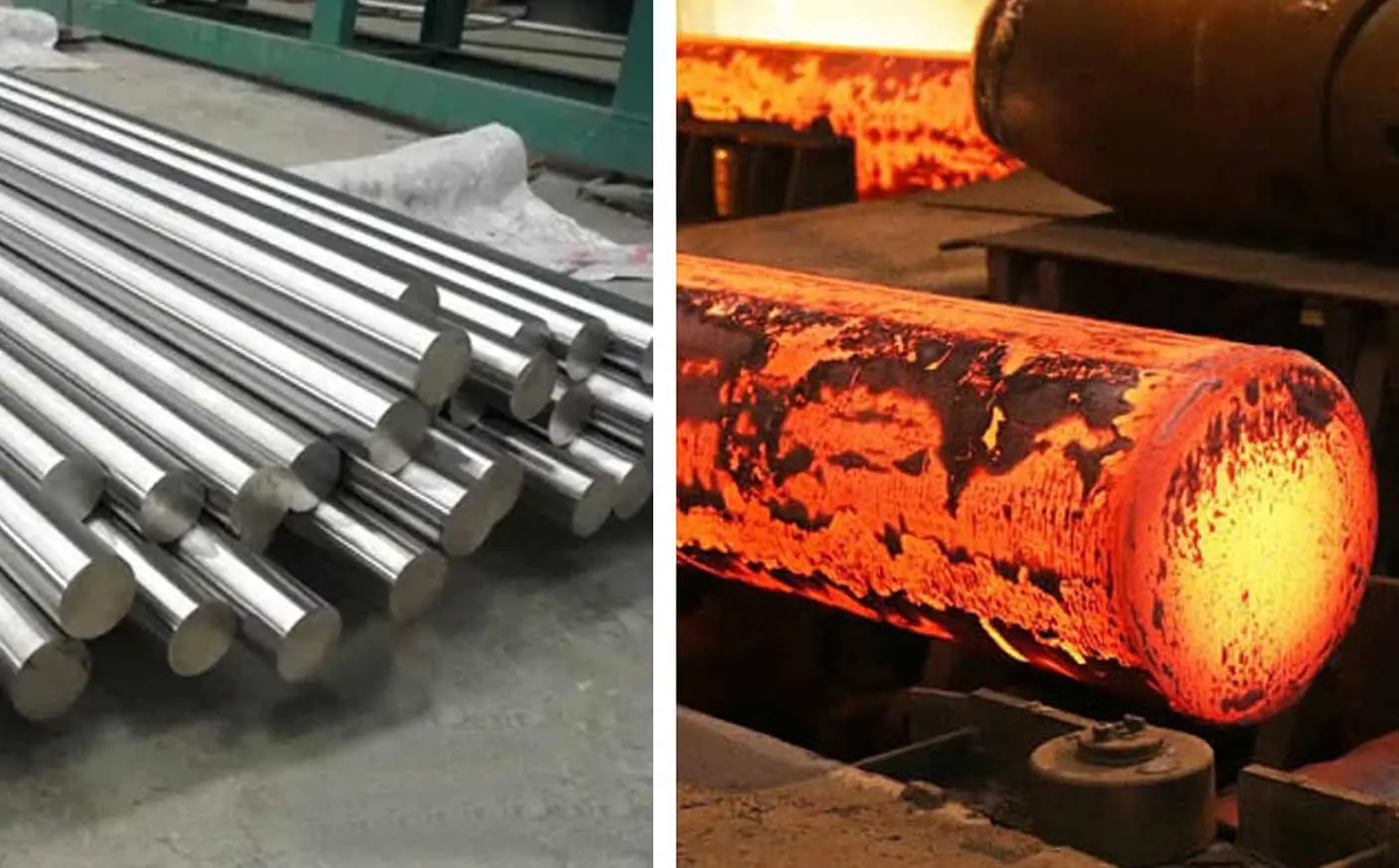
Used in agitators, pump shafts, and valve stems, especially in reactors and piping systems that transport or handle strongly reducing acids. Round bars can be machined into fasteners such as bolts, nuts, and washers to ensure the integrity of connections in corrosive environments.
3.2. Pressure Vessel Components and Flanges
Used in the manufacture of internal support structures, flanges, and pipe fittings for reactors handling high-pressure or high-temperature reducing media. Their high strength and corrosion resistance ensure long-term operation and safety of the equipment.
3.3. Manufacturing and Welding Considerations
When manufacturing using B2 round bars, the following professional guidelines must be followed:
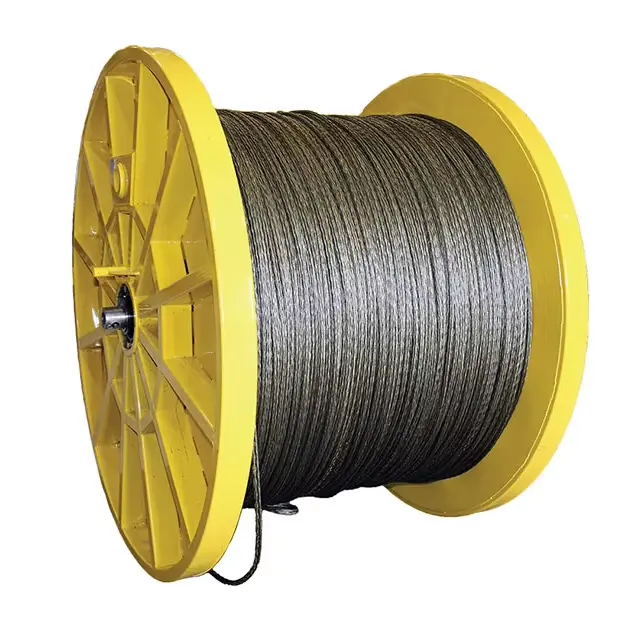
(1) Welding: Matching filler metal (such as ERNiMo-7 or B2 welding wire) must be used. (1) Strict control of heat input and minimization of iron and chromium content in the weld metal.
(2) Machining: B2 is a nickel-based alloy with a high work hardening tendency. Low cutting speeds, high feed rates, and sharp carbide tools are required.
(3) Surface Treatment: Any surface treatment steps that may introduce iron contamination (such as wheel grinding) must be handled with care, as iron contamination significantly reduces the corrosion resistance of B2.
Conclusion
Hastelloy B2 round bars are a core material for corrosion engineering in handling extremely strong non-oxidizing acid liquids. Its unique nickel-molybdenum formulation (especially the strict limitation of chromium content) endows it with unparalleled resistance to boiling hydrochloric acid corrosion and excellent weldability. With proper use and manufacturing specifications, B2 round bars provide a safe and reliable structural solution for the high-risk, highly corrosive environments of the chemical and pharmaceutical industries.