



Selection Guide for Hot-Dip Galvanized Steel Wire Rope and Electro-Galvanized Steel Wire Rope
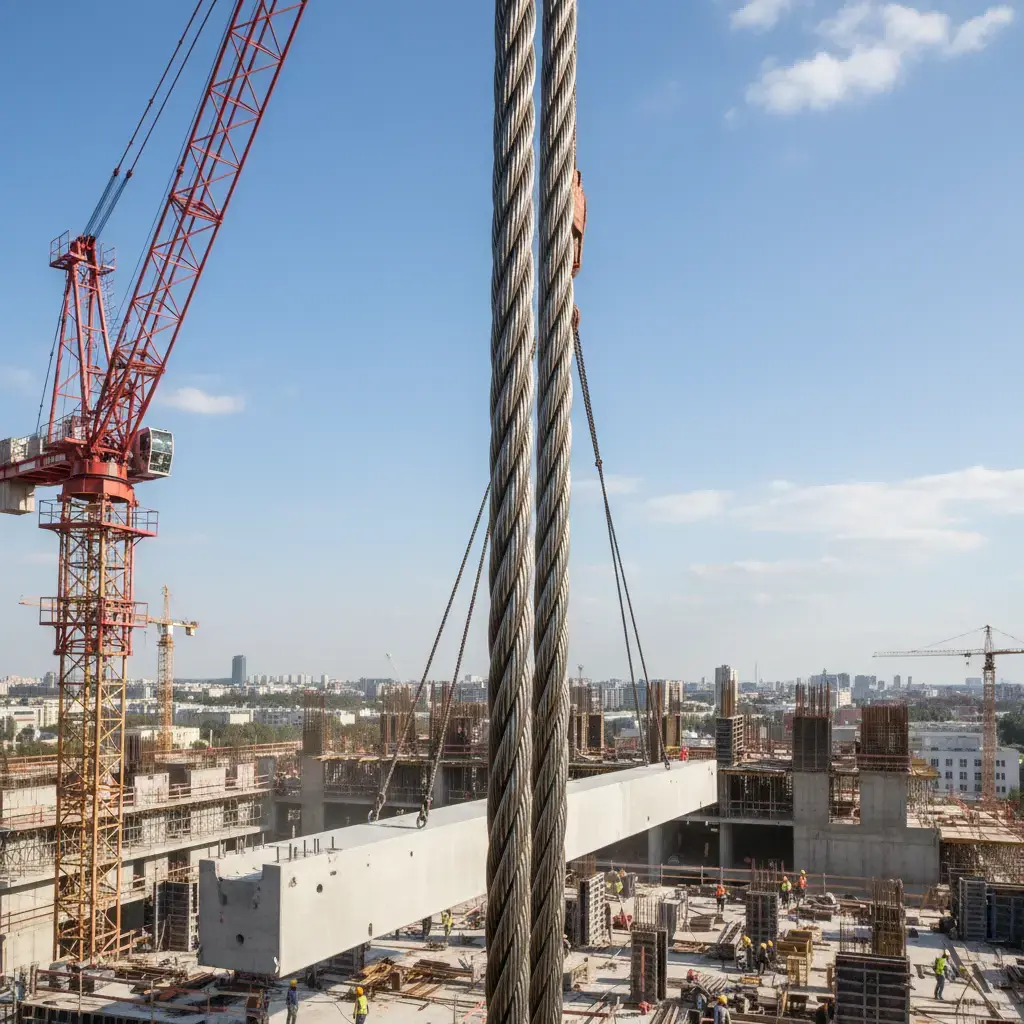
In applications with stringent corrosion resistance requirements, such as marine engineering, construction lifting, and outdoor mooring, Galvanized Steel Wire Ropes are primary load-bearing components. Common galvanizing processes are mainly divided into hot-dip galvanizing (HDG) and electro-galvanizing (EG). Although both processes form a zinc sacrificial protective layer on the steel wire surface, they differ significantly in coating characteristics, mechanical properties, and cost-effectiveness, directly affecting their suitability and service life in specific environments.
This article aims to compare and analyze the key characteristics of hot-dip galvanized and electro-galvanized steel wire ropes from a professional perspective and provide selection recommendations based on application environment and engineering requirements.
I. Comparison of Process Principles and Coating Structures
The biggest difference between HDG and EG lies in the bonding method and thickness of the zinc layer to the steel substrate.
1.1. Hot-dip galvanizing (HDG)
| Feature | Describe |
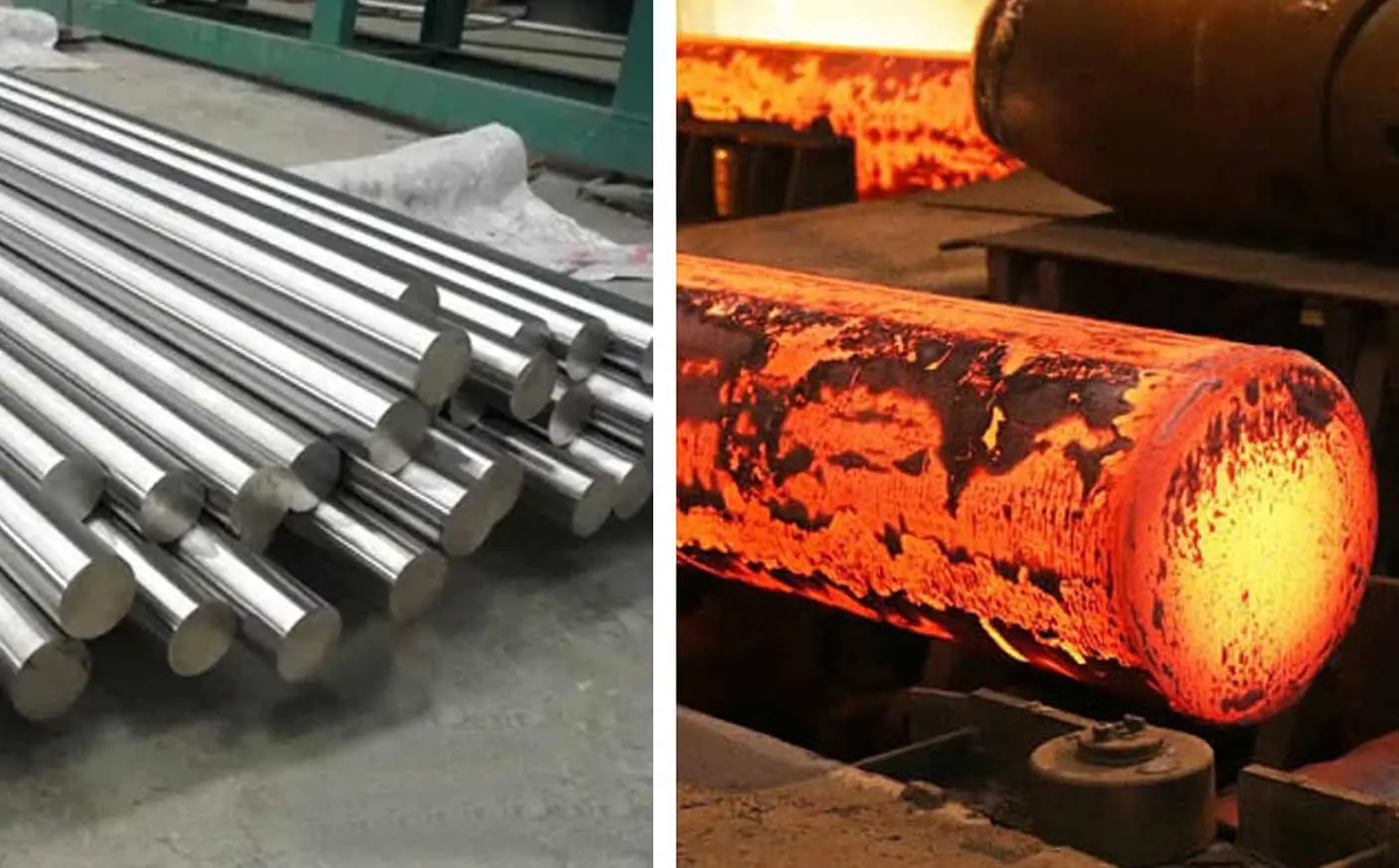
| Process | The steel wire is immersed in molten zinc, and at a high temperature (about 450°C), the zinc reacts with the steel matrix in a metallurgical process. |
| Coating thickness | Thick and uneven. The zinc layer is typically 50 to 100 μm or more thick. |
| Coating structure | It has multiple zinc-iron alloy layers, as well as an outermost layer of pure zinc, which provides extremely strong adhesion. |
| Influence | High temperatures will slightly reduce the final tensile strength of the steel wire, but the impact is minor. |
1.2. Electroplating (EG)
| Feature | Describe |
| Process | Zinc ions are deposited onto the surface of the steel wire through electrochemical action at room temperature. |
| Coating thickness | Thin and uniform. The zinc layer thickness is typically between 5 and 30 mm. |
| Coating structure | It is almost a pure zinc layer, mechanically bonded to the steel substrate, with no or only a very thin alloy layer. |
| Influence | Because it is operated at room temperature, the mechanical properties of the steel wire are minimally affected. |
II. Performance Differences and Engineering Applicability
The differences in coating structure directly determine the performance of the two types of wire ropes in terms of durability, flexibility, and cost.
2.1. Corrosion Resistance
| Performance | Hot-dip galvanized steel wire rope | Electrogalvanized steel wire rope |
| Corrosion resistance cycle | Long service life: Zinc coating thickness is a major determinant of corrosion resistance life. HDG's thick zinc coating provides a longer sacrificial protection period, especially advantageous in harsh environments such as high salt spray and high humidity. | Short cycle time. Thin zinc layer, consumed quickly. Suitable only for dry, mild indoor or slightly corrosive environments. |
| Applicable Environment | Marine environment, ports, bridges, and highly polluting industrial areas. | General indoor lifting, dry warehouse, temporary protection |
2.2. Flexibility and Fatigue Resistance
| Performance | Hot-dip galvanized steel wire rope | Electrogalvanized steel wire rope |
| Flexibility | Poor. The thick and brittle zinc-iron alloy layer may crack or peel off when the wire is bent, affecting the fatigue performance of the wire rope, especially when it travels around small-diameter pulleys. | Excellent. The thin and flexible pure zinc coating does not affect the flexibility of the wire, making it more suitable for lifting applications that require high-frequency, small-diameter bending cycles. |
| Surface roughness | It is slightly rough, and the coefficient of friction may be slightly higher. | The surface is smooth and glossy, and the friction performance is stable. |
2.3. Cost and Strength
Strength Loss: The impact of the EG process on wire strength is negligible; the high-temperature treatment of the HDG process results in a very small decrease in wire strength (usually within acceptable limits).
Manufacturing Cost: The EG process is generally more economical and efficient, but the HDG process requires higher inputs in raw materials and equipment, leading to a higher final product cost.
III. Professional Selection Guidelines
The choice between hot-dip galvanized or electro-galvanized steel wire rope must be based on a balance between the corrosion level of the environment and the flexibility requirements of the operation.
| Scenario requirements | Recommended choice | Reason Analysis |
| Harsh corrosive environment | HDG | Thickness determines lifespan. HDG's thick zinc coating is the only effective protection against marine salt spray and high humidity environments. |
| High-frequency bending operation | EG | Flexibility is a priority. EG's thin zinc coating maintains the wire rope's good resistance to bending fatigue, reduces zinc coating peeling, and extends fatigue life. |
| General lifting/drying environment | EG | Economic efficiency is a priority. In indoor environments with low corrosion risk, EG's corrosion resistance is sufficient, and it is also more cost-effective. |
| Mooring/Cables/Static Load | HDG | Durability is a priority. In outdoor applications with static or low-frequency movement, long-term corrosion resistance is of greater concern, and HDG performs better. |
Summary
For outdoor or marine applications requiring high lifespan and corrosion resistance: Hot-dip galvanized steel wire rope is the preferred choice.
For indoor lifting applications requiring frequent sheaves and high flexibility and fatigue resistance: Electro-galvanized steel wire rope is the preferred choice, or ungalvanized steel wire rope protected with high-strength grease can be considered.
In actual selection, engineers should also refer to the galvanizing grade specified in standards such as ISO 2408 or EN 12385, and make a final professional judgment based on the rope's diameter, structure, and service life requirements.