




How to choose between stainless steel and manganese steel chains?
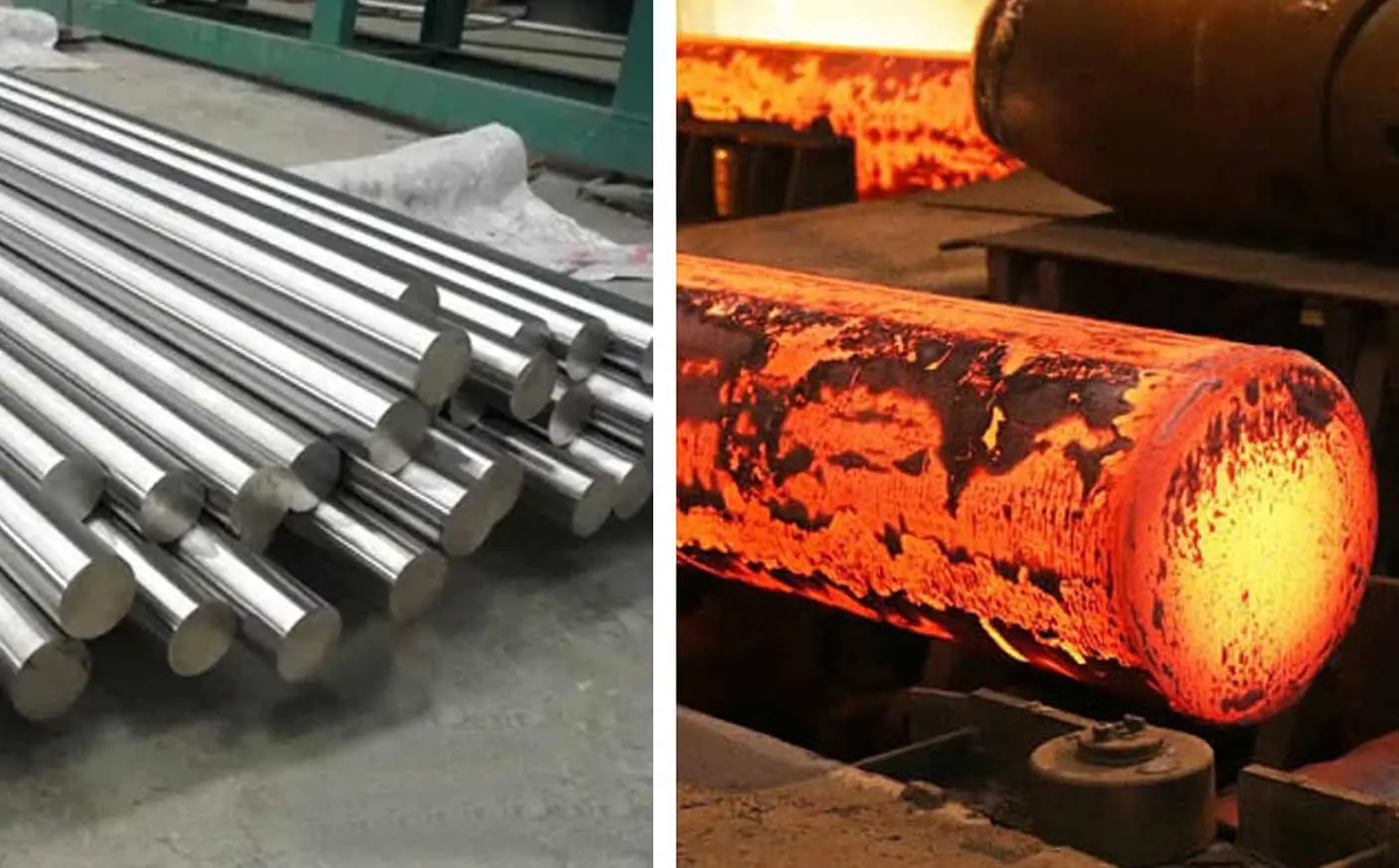
Choosing between stainless steel and Manganese Steel Chain depends primarily on your specific application environment and performance requirements. Each material has its own advantages and is suitable for different scenarios.
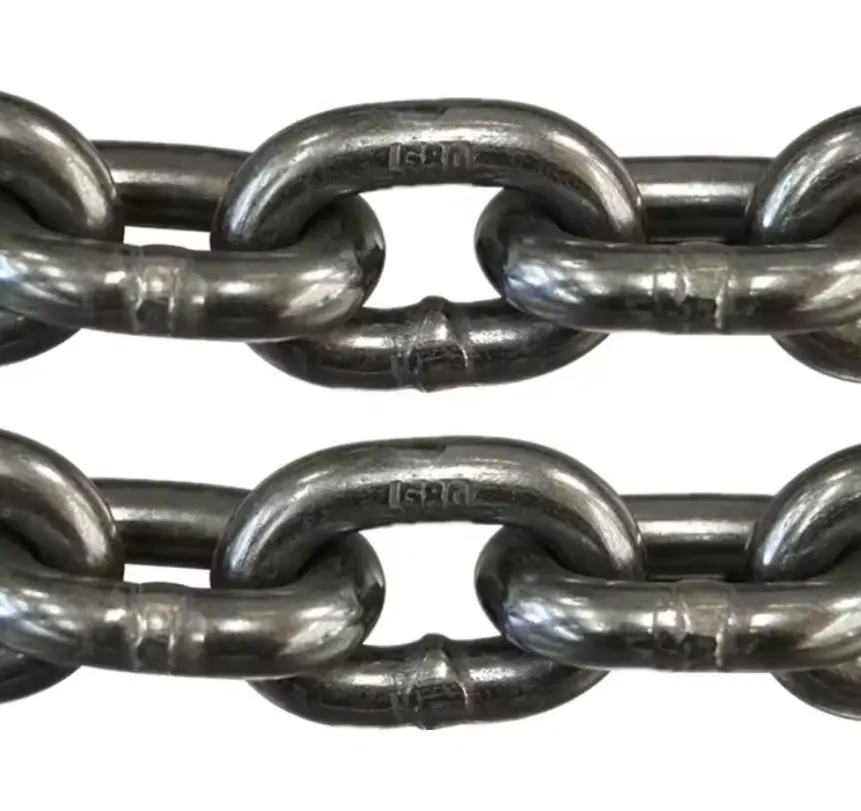
Manganese Steel Chain (G80/G100)
Manganese steel is the most common material for lifting chains, typically referring to high-strength alloy steels such as G80 or G100 grades.
Advantages:
High Strength and Load-Carrying Capacity: Manganese steel chains offer excellent tensile strength and wear resistance, making them easy to handle heavy lifting tasks. This is why G80 and G100 chains are widely used in industry, construction, and logistics.
Cost-Effectiveness: Manganese steel chains have a relatively low manufacturing cost, making them more affordable and the preferred choice for most general lifting applications.
Wear Resistance: Special heat treatment results in a high surface hardness for manganese steel chains, effectively resisting wear and impact.
Disadvantages:
Poor Corrosion Resistance: Manganese steel is susceptible to rust and corrosion in humid, rainy environments, or environments containing chemicals. While surface treatments such as electroplating or painting are common, these do not provide long-term corrosion protection.
Stainless Steel Chain
Stainless steel chains are typically made from 304 or 316 stainless steel and are primarily used in specific environments.
Advantages:
Excellent Corrosion Resistance: This is the greatest advantage of stainless steel chain. It effectively resists attack by water, acids, alkalis, salts, and other chemicals, making it ideal for use in highly corrosive environments such as food processing, pharmaceuticals, chemicals, and marine applications.
Aesthetics and Hygiene: Stainless steel's smooth surface is easy to clean, rust-resistant, and meets hygiene standards, making it an ideal choice for cleanrooms and the food industry.
Disadvantages:
Lower Strength and Load-Bearing Capacity: For comparable sizes, stainless steel chains generally have lower tensile strength than manganese steel chains. Consequently, their working load limit (WLL) is also relatively low, making them unsuitable for lifting heavy objects.
Higher Price: The material and processing costs of stainless steel are higher than those of manganese steel, resulting in a more expensive stainless steel chain.
How to Choose? When choosing between stainless steel and manganese steel chain, follow this simple guideline:
If you need to lift heavy objects in a dry, corrosive environment, then manganese steel chain (G80 or G100) is your best choice. It offers the highest safety and cost-effectiveness.
If your chain will be used in a humid, rainy, marine, chemical, pharmaceutical, or food processing environment, or if it requires high cleanliness, then stainless steel chain is the only suitable option.
Simply put, manganese steel chain is for "strength" and stainless steel chain is for "environment." By weighing the pros and cons of each material based on your specific needs, you can make the right choice.