




How to determine the load-bearing capacity of elevator wire ropes
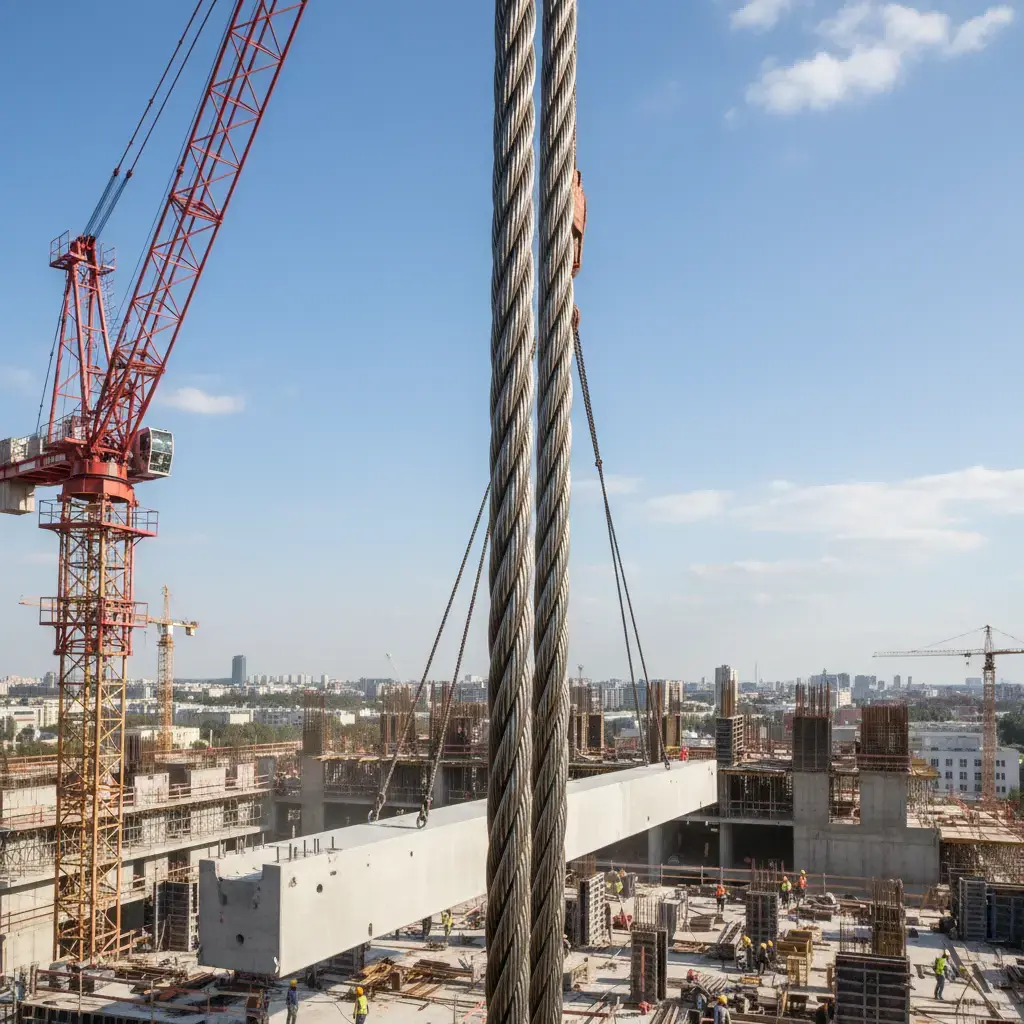
Elevator wire ropes are core components ensuring the safe operation of elevators and lifting the weight of the car. Accurately determining their load-bearing capacity is crucial for elevator design, manufacturing, installation, and maintenance.
The load-bearing capacity of an elevator wire rope is not simply equal to its breaking tensile strength; it must consider safety factors and actual operating conditions. Determining the load-bearing capacity of an elevator wire rope mainly follows these core steps and standards:
I. Core Concepts: Rated Breaking Force and Minimum Breaking Force
1. (Nominal Breaking Force, Fn)
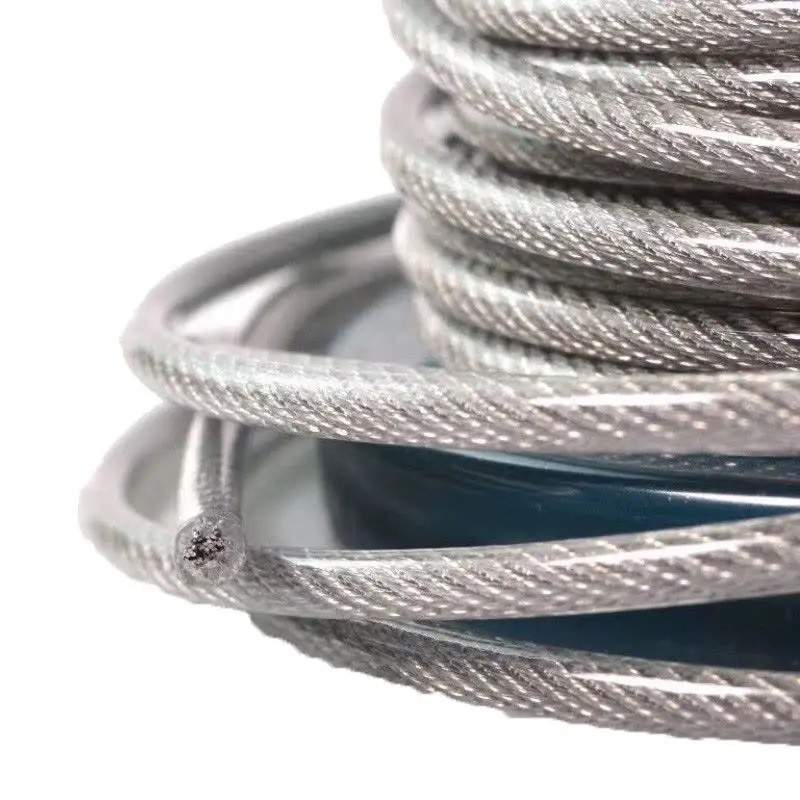
This is the theoretical strength value given in the wire rope product catalog or standard. It is calculated based on the wire rope's diameter, structure (twisting method), and the nominal tensile strength of the wires.
2. (Minimum Breaking Force, Fmin)
This is a key indicator for ensuring the quality of the wire rope. According to national standards or industry specifications, the actual tested breaking tensile strength of the wire rope must not be lower than the minimum breaking tensile force. The minimum breaking tensile force is the basic strength value used in design calculations.
II. Decisive Factor: Minimum Safety Factor
The most crucial step in determining the actual load-bearing capacity of wire ropes is applying the minimum safety factor. The load-bearing capacity of elevator wire ropes must be significantly less than their minimum breaking strength to ensure safe operation of the elevator under conditions of long-term fatigue, wear, and sudden impacts.
1. Basis for Safety Factor
The safety factor of elevators is stipulated by strict international standards (such as ISO 8100/1, EN 81 series) and national standards of various countries (such as China's GB/T 7588/ISO 8100 series). The size of the safety factor depends on:
(1) The number of wire ropes: Generally, the more ropes, the slightly different the design safety factor requirements may be.
(2) The type and speed of the elevator: High-speed elevators have higher safety requirements.
(3) The rope winding method: such as a 2:1 or 1:1 winding method. III. Actual Factors Affecting Load-Bearing Capacity
III.After determining the theoretical load-bearing capacity, the actual load-bearing performance of wire ropes in use is affected by several factors:
1. Groove Geometry and Pressure: The contact pressure and geometry (e.g., V-groove, semi-circular groove) between the wire rope and the traction sheave directly affect friction and the fatigue life of the wire rope. An unreasonable groove design can lead to localized stress concentration in the wire rope, reducing its actual load-bearing life.
2. Wire Rope Diameter and Structure:
Diameter: The larger the diameter, the higher the Fmin (flexible fatigue coefficient), and the greater the load-bearing capacity.
Structure: Structures such as 8x19 and 8x25 affect flexibility, resistance to bending fatigue, and metal area. Structures with a high fill factor also have relatively higher strength.
3. Wear and Wire Breakage During Use:
Wire ropes experience wear and fatigue wire breakage during operation due to friction and bending.
When the wear or number of broken wires in a wire rope reaches the scrap standard (as stipulated by safety regulations), it must be replaced. At this point, its effective load-bearing capacity is considered to be below the safety threshold. 4. Load Distribution Uniformity When multiple wire ropes are used together, the tension should be evenly distributed. Uneven tension can cause some wire ropes to be overloaded, reducing the effective load-bearing capacity of the entire wire rope assembly. Therefore, wire rope tension must be checked and adjusted regularly during elevator maintenance.
The load-bearing capacity of any elevator must remain well above the actual maximum static load throughout its lifespan to ensure the safety of passengers and equipment.