




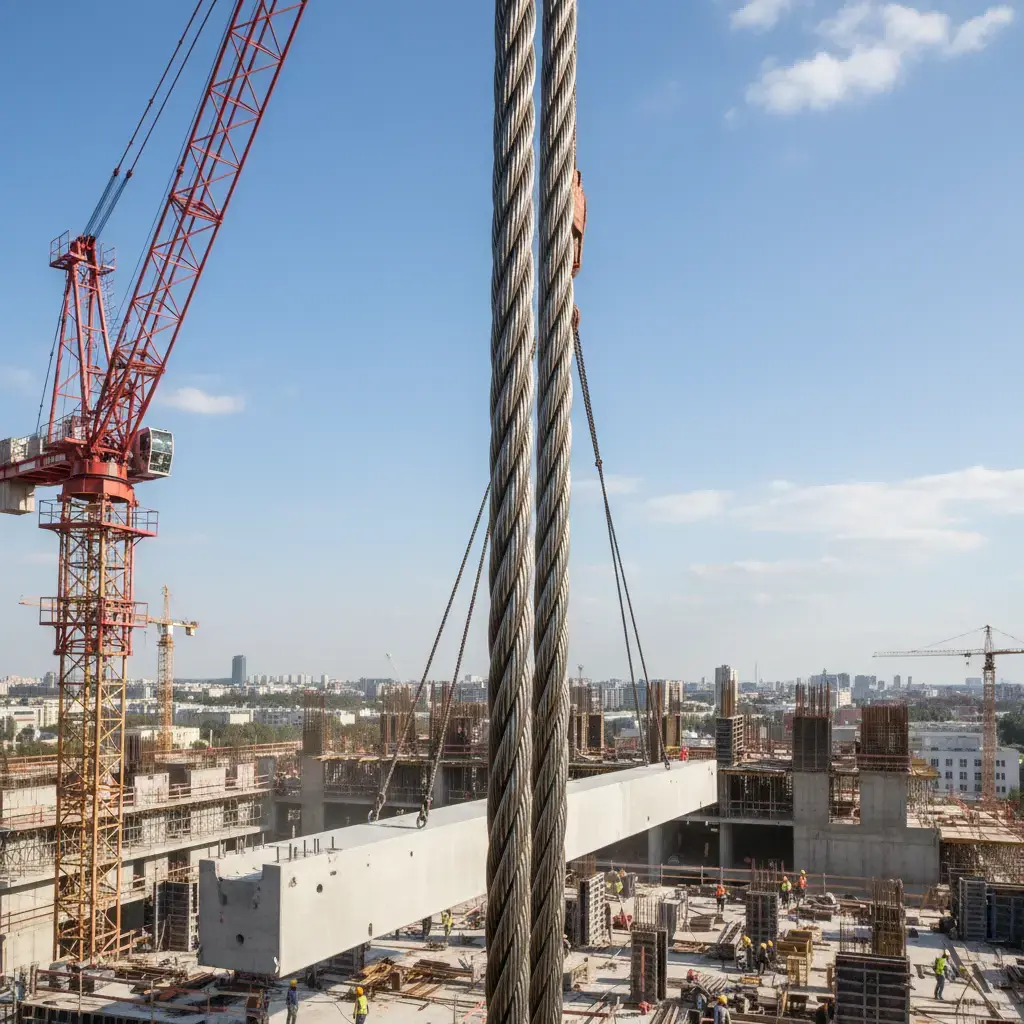
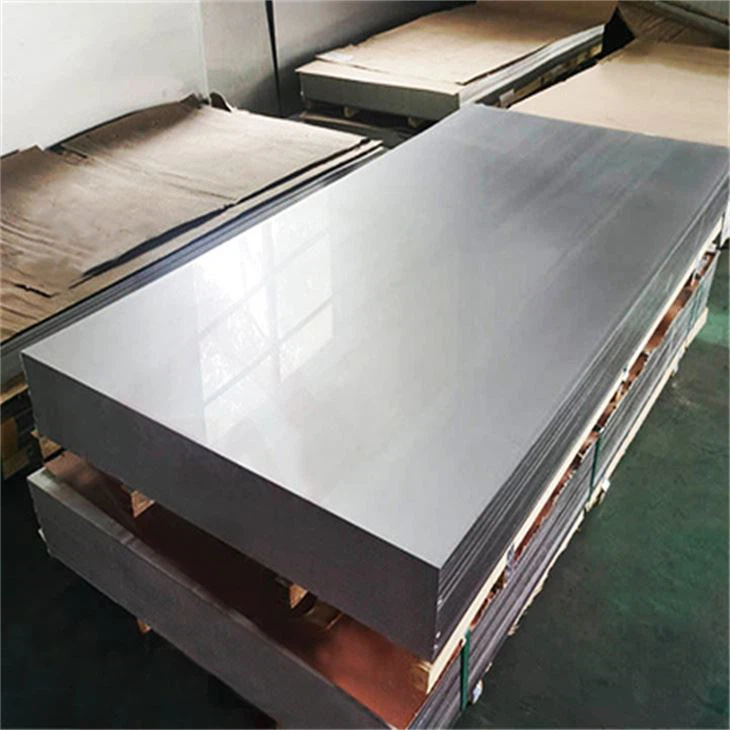

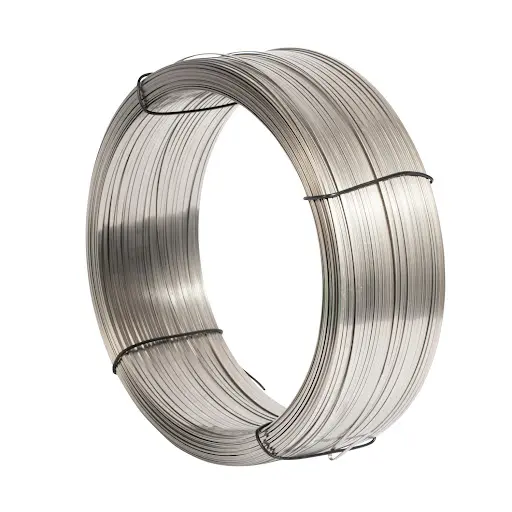
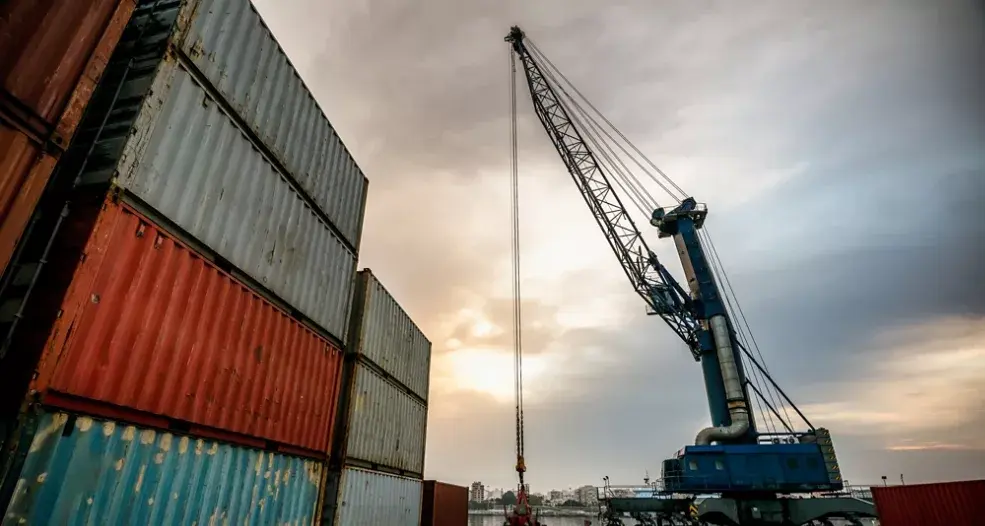
Recent Overview of Steel Supply and Export
The global steel market has recently presented a complex landscape. While China's steel exports have seen strong growth, they are also facing challenges from intensified international trade frictions.
Supply and Export Dynamics
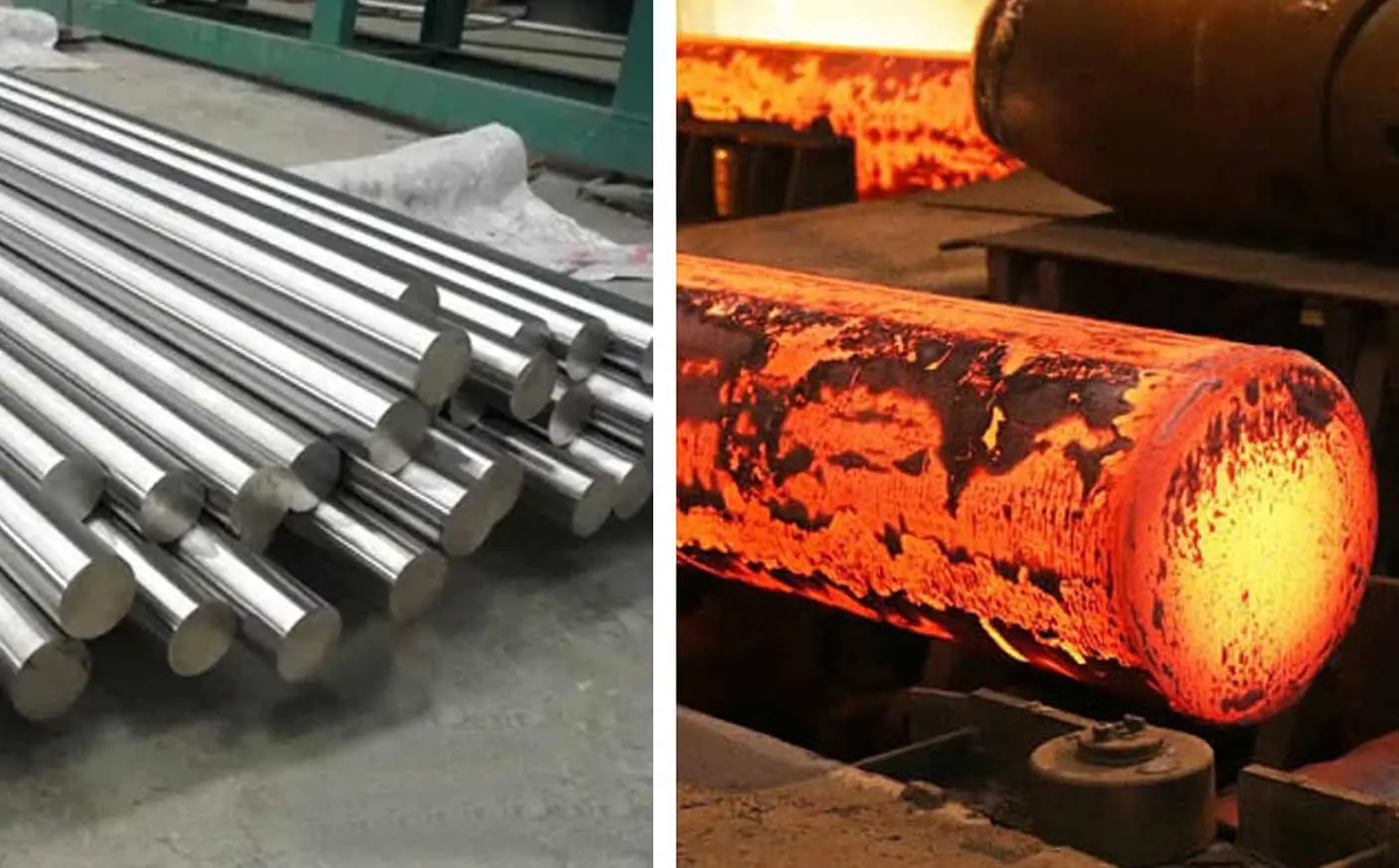
China's Exports Remain High: Recent data shows that China's steel exports remain at a high level, showing year-on-year growth. For example, in the first seven months of this year, semi-finished steel exports surged 320%, with Southeast Asia being the primary buyer. This is primarily due to the sluggish domestic real estate market and weak domestic demand, which have led to overcapacity and prompted steel mills to actively seek overseas markets.
Significant Price Advantage:Chinese steel remains price competitive in the international market. Compared to other major exporting countries such as India and Turkey, China's FOB quotes for hot-rolled coil still offer a certain advantage.
Corporate Export Strategies: Faced with declining domestic demand, many large Chinese steel companies, such as Baosteel, are actively increasing exports and setting long-term export growth targets.
International Market Environment
Rising Trade Protectionism: With China's steel exports surging, many countries have complained that Chinese steel is being dumped at low prices, harming the interests of their domestic companies. The United States, Turkey, Indonesia, and other countries have imposed anti-dumping tariffs or other trade remedy measures on Chinese steel products.
Slow Global Demand Recovery: Although the World Steel Association predicts that global steel demand will recover in 2024-2025, overall external demand remains weak. The global manufacturing PMI (Purchasing Managers' Index) remains in contraction, indicating that the foundations of the global economic recovery are still unstable, which brings uncertainty to steel exports.
Costs and Profits: Despite increased export volumes, the trend of "increase in volume but decrease in value" continues due to falling prices. Furthermore, price fluctuations in upstream raw materials such as iron ore and coke also pose challenges to the profitability of steel companies.
Future Industry Trends
Challenges and Opportunities Coexist: China's steel exports will continue to face significant pressure in the future, especially due to the deteriorating international trade environment. At the same time, economic development and infrastructure demand in emerging markets such as Southeast Asia and India provide new growth opportunities for Chinese steel.
Green Transformation: The global steel industry is facing severe pressure to reduce carbon emissions, and the low-carbon transition will reshape the global steel landscape. The implementation of policies such as the EU's Carbon Border Adjustment Mechanism (CBAM) will have a profound impact on steel trade. Chinese steel companies are gradually increasing their investment in low-carbon technologies and sustainable development.
Overall, China's steel supply and export industry is undergoing a critical transition, needing to meet international market demand while actively addressing trade frictions and accelerating its own green and low-carbon development.