


Stainless steel products: demonstrating irreplaceable application value in key fields due to their superior comprehensive performance.
Stainless steel, with its unique corrosion resistance, mechanical strength, hygienic properties, and aesthetic value, has long transcended the category of ordinary steel materials, becoming an indispensable key material in modern industry and infrastructure construction. Especially in fields with extremely high requirements for material performance, safety standards, and durability, stainless steel products demonstrate irreplaceable application value due to their superior comprehensive performance.
This article will delve into the core reasons why stainless steel products are irreplaceable in several key areas from three dimensions: technology, hygiene, and economics.
I. Hygiene and Safety: Biocompatibility and Cleanliness
In fields directly related to human health and safety, the sanitary properties and bioinertness of stainless steel make it the only or best choice.
1. Pharmaceuticals and Bioengineering
1.1 Irreplaceability:
The production of pharmaceuticals and biological agents must be carried out in a sterile and contamination-free environment. Austenitic stainless steel (such as 316L) has extremely low surface roughness (Ra≤0.4 through electropolishing), is smooth and non-porous, and effectively prevents the adhesion and growth of microorganisms.
1.2 Application Value:
Used in water for injection (WFI) systems, clean steam piping, fermenters, and bioreactors. Other materials (such as plastics or carbon steel linings) cannot withstand the repeated impacts of high-temperature sterilization (SIP) steam disinfection and chemical cleaning (CIP) without degradation or precipitation.
2. Food Processing and Storage
2.1 Irreplaceability:
Stainless steel (such as 304) has excellent resistance to acid and alkali corrosion, will not chemically react with food, and will not release toxic substances, ensuring food safety.
2.2 Application Value:
Used in storage tanks, pipelines, heat exchangers, and food contact equipment for milk, beverages, and beer. Its easy-to-clean and wear-resistant properties meet the most stringent food hygiene regulations.
II. Extreme Operating Conditions: The Challenges of High Temperature, High Pressure, and Strong Corrosion
In extreme environments with stringent requirements for the mechanical and chemical stability of materials, the alloy properties of stainless steel give it unique advantages.
1. Petrochemical and Energy Industries
1.1 Irreplaceability:
Oil refining and chemical processes often involve high temperatures, high pressures, and strongly corrosive media (such as sulfides and chlorides). Carbon steel has a very short lifespan and poses safety hazards in these environments. Stainless steel (such as duplex 2205 and super austenitic 904L) resists stress corrosion cracking (SCC) and pitting corrosion due to its high PREN value (pitting equivalent) and excellent mechanical strength.
1.2 Application Value:
Used in critical structural components of offshore oil platforms, pipelines transporting sulfur-containing crude oil, acid gas processing equipment, and cooling systems and reactor internal components in nuclear power plants.
2. Aerospace and Automotive Industries
2.1 Irreplaceability:
In high-heat, high-vibration components such as jet engines and automotive exhaust systems, materials must possess both high-temperature oxidation resistance and high fatigue strength. High-nickel stainless steel or special heat-resistant steels (such as 321 and 310S) are among the few materials capable of meeting these requirements.
2.2 Application Value:
Turbocharger housings, aircraft hydraulic lines, high-performance automotive exhaust manifolds, etc., ensuring reliability under extreme operating conditions.
III. Infrastructure and Sustainable Development: Long Lifespan and Low Maintenance Costs
In long-term investment projects requiring a century-long lifespan and extremely low maintenance costs, stainless steel demonstrates superior economic efficiency and sustainability.
1. Urban Water Supply and Drainage Systems
1.1 Irreplaceability:
Traditional galvanized or cast iron pipes are prone to corrosion, affecting water quality and incurring high maintenance costs. Stainless steel water pipes (such as 304) have a lifespan of over 70 years and do not leach heavy metal ions, fundamentally solving the problem of "secondary pollution" in drinking water networks.
1.2 Application Value:
Urban tap water main pipelines, high-rise building water supply risers, and residential drinking water pipelines. From a total life cycle cost (LCC) perspective, stainless steel is more economical due to its extremely low maintenance rate and long service life.
2. Construction and Decoration
2.1 Irreplaceability:
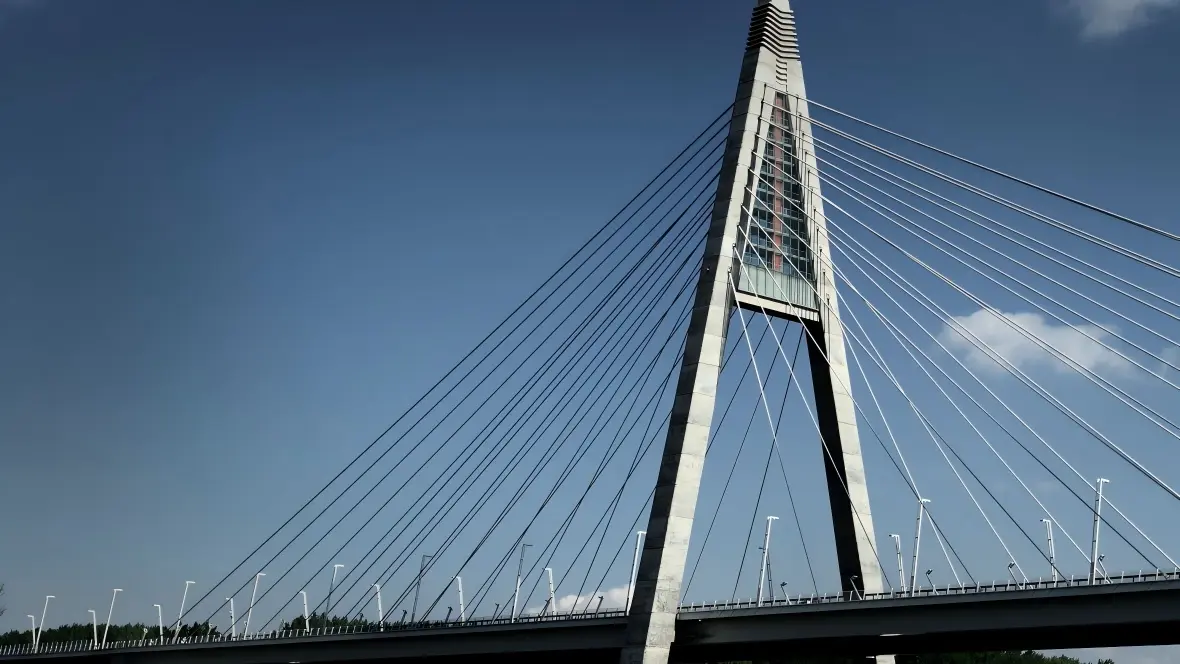
In coastal cities or areas with severe air pollution, the atmospheric corrosion resistance of stainless steel (especially grades with better weather resistance such as 316) makes it the preferred material for exterior curtain walls, bridge structures, public artworks, and sculptures. 2.2 Application Value: Facades of iconic buildings, urban sculptures, and bridge railings. Its maintenance-free nature, high strength, and aesthetic consistency ensure structural safety and long-term visual appeal.
Summary:
Stainless steel products, with their multiple advantages in chemical stability, mechanical properties, thermodynamic properties, and hygiene standards, have achieved a fundamental leap forward over traditional materials in key areas. In today's pursuit of higher safety standards, longer service life, and sustainable development, the irreplaceable application value of stainless steel will continue to expand, becoming a crucial cornerstone for driving modern social progress and industrial upgrading....