




The "Hidden Champion" of Industry: In-Depth Analysis of the Process and Applications of 316L Stainless Steel Flat Wire
The "Hidden Champion" of Industry: In-Depth Analysis of the Process and Applications of 316L Stainless Steel Flat Wire
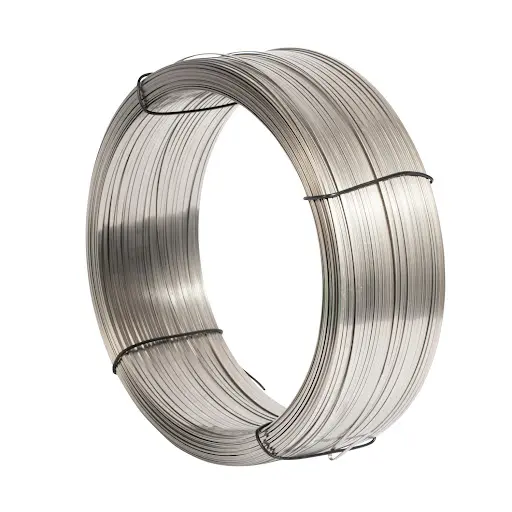
Are you curious about materials that silently withstand pressure in extreme environments yet remain as bright as new? Among the high-performance stainless steel family, 316L stainless steel flat wire is undoubtedly such a "hidden champion." With its excellent corrosion resistance and unique manufacturing process, it plays an indispensable role in many industrial fields.
Today, let's delve into the manufacturing process of this amazing material—316L flat wire—and its wide range of crucial applications.
What is 316L Stainless Steel Flat Wire?
First, let's understand its core identity. 316L stainless steel is a type of austenitic stainless steel, its key characteristic being the presence of molybdenum (Mo). The "L" stands for "Low Carbon," meaning it has excellent resistance to intergranular corrosion, making it particularly suitable for applications where post-weld solution treatment is not possible.
And "flat wire," as the name suggests, refers to metal wire with a flat rectangular or oval cross-section. Compared to traditional round wire, flat wire offers a larger surface area and specific structural advantages.
The "Forging" Journey of Flat Wire: Unveiling the Core Manufacturing Process
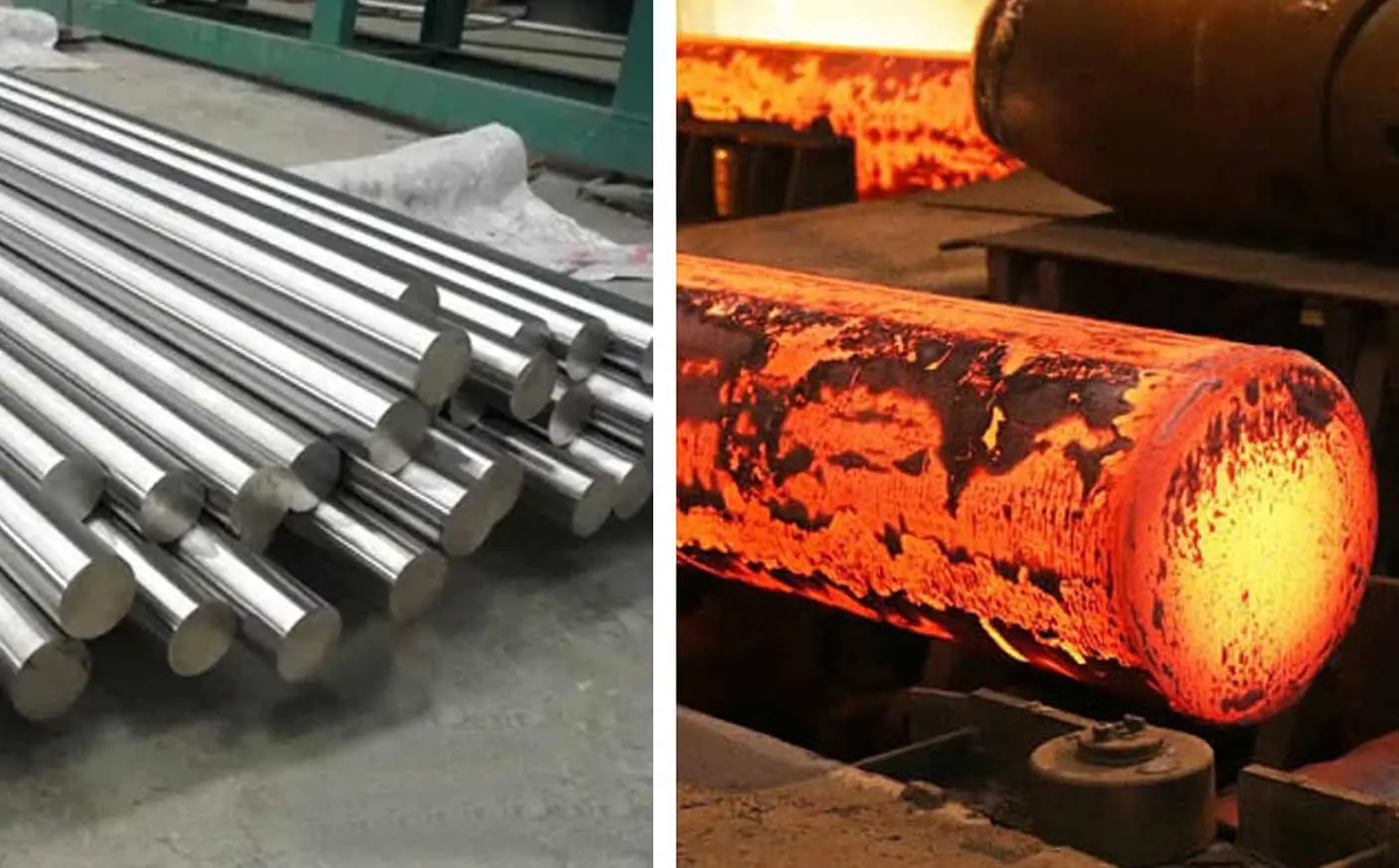
The manufacturing of 316L flat wire is a precise "shaping" process, primarily relying on cold drawing/cold rolling, which endows it with superior mechanical properties and a smoother surface.
1. Cold Drawing/Cold Rolling Shaping
This is the crucial step in transforming round wire or initial cross-section material into a flat shape.
Cold Drawing: 316L wire is passed through a series of flattening dies at temperatures below the recrystallization temperature. This process not only reduces the cross-sectional dimensions but, more importantly, significantly enhances the strength and hardness of the flat wire through plastic deformation, while achieving a more precise geometry.
Cold Rolling: Cold rolling is used for flat wires requiring higher precision and specific thickness/width ratios. Through repeated rolling with high-precision rollers, the material is gradually flattened into the desired flat shape, resulting in excellent surface quality.
2. Heat Treatment (Annealing) and Surface Finishing
Heat treatment is essential to optimize the performance and processability of the flat wire. Solution treatment (annealing): Cold working hardens the material. To restore its ductility and eliminate internal stress, flat wires typically require high-temperature annealing. This process ensures a uniform internal structure and maximizes the corrosion resistance of 316L.
Surface treatment: This includes pickling (to remove oxide scale), polishing, or drawing. High-quality flat wires require a smooth, defect-free surface to meet the demands of precision instruments.
Fun Fact: Cold working (cold drawing/cold rolling) is the primary means of increasing the strength of flat wires, while heat treatment (annealing) is the key step in balancing strength and toughness, ensuring the flat wire is both "hard" and "flexible" in its application.
Wide and critical applications
Because 316L stainless steel flat wire combines the excellent corrosion resistance of 316L (especially in chloride-containing or acidic environments) with the structural advantages of flat wire, its applications are very wide-ranging.
| Application areas | Main uses | Key Features and Advantages |
| Filtration and Separation | Woven filter mesh, sintered filter element, oilfield sand control mesh | Corrosion resistance, high strength, and precise pore size control |
| medical devices | Implantable medical components, surgical suture materials (special flat wires) | Biocompatibility, ultra-low carbon, high cleanliness |
| Electronics and electrical appliances | High-precision electronic components, heating elements, resistor strips, and battery current collectors | Electrical conductivity, high temperature resistance, structural stability, flat shape and small space occupation |
| Decoration and Architecture | Decorative mesh, curtain wall structural components, and artistic woven products | Aesthetic appeal (brushed surface), oxidation resistance, and strong weather resistance. |
| Mechanics and Springs | Precision springs, seals, gaskets | High strength, fatigue resistance, and wear resistance |
Choosing 316L flat wire means choosing reliability and durability.
From filtration systems on deep-sea oil platforms to the exquisite watches you wear every day, from large medical devices to high-performance electronics, 316L stainless steel flat wire is ubiquitous. Its existence proves the importance of materials science to the advancement of modern industry.
Choosing 316L flat wire means choosing reliability and durability that maintains excellent performance even in harsh environments.
If you are looking for a high-performance metallic material to solve corrosion or precision structural problems, then 316L stainless steel flat wire is definitely worth your in-depth understanding and consideration.