



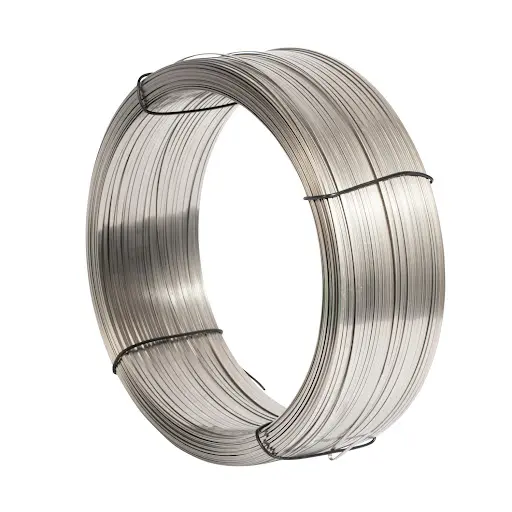
What are the main characteristics of lifting wire rope?
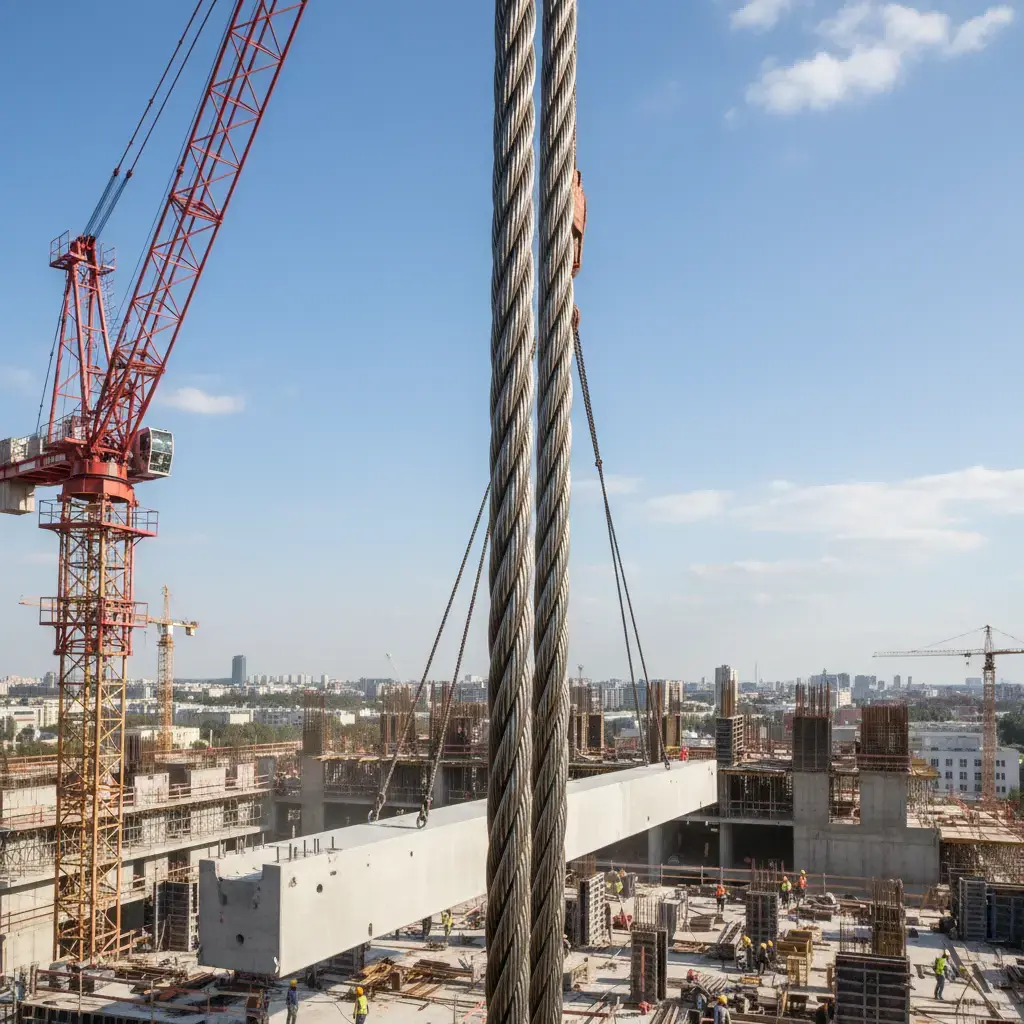
As a key component of lifting machinery, the characteristics of lifting wire rope directly affect the safety and efficiency of lifting operations. The main characteristics include:

I. Superior Mechanical Properties The primary characteristic of lifting wire ropes is their excellent mechanical properties, which are fundamental to their ability to bear heavy loads.
1. High Tensile Strength
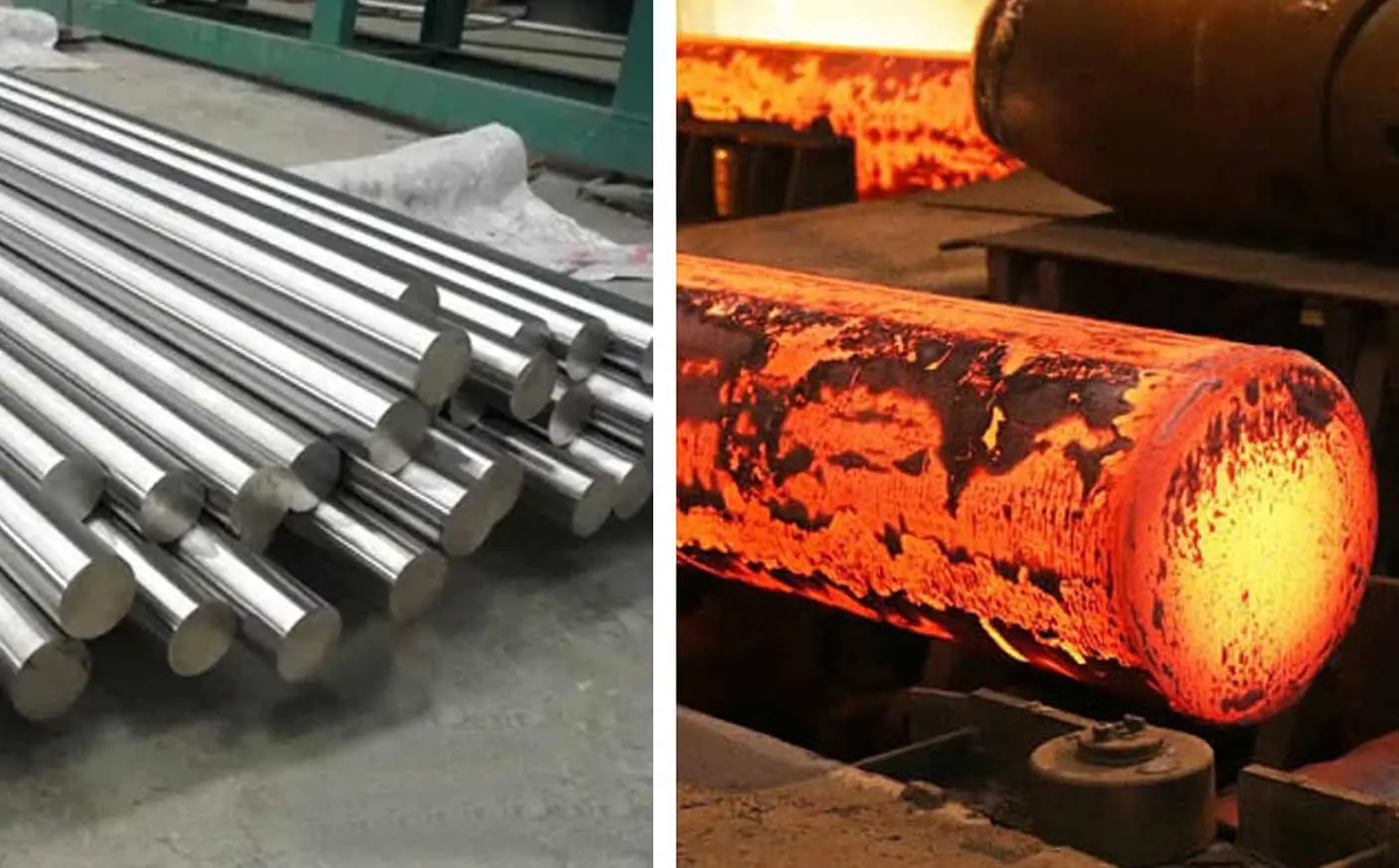
Lifting wire ropes are made of high-carbon steel (usually high-strength wire). Their nominal tensile strength is very high (commonly 1770 N/mm² or 1960 N/mm²), ensuring a large minimum breaking strength at a relatively small diameter, meeting heavy load requirements.
2. Good Fatigue Performance
Lifting wire ropes repeatedly pass over drums and pulleys during operation, enduring cyclic bending and tensile stresses.
(1) Resistance to Bending Fatigue: The structure of the wire rope (such as the number of strands and wires) and the lay length design are intended to optimize stress distribution during bending, resisting fatigue fracture caused by repeated bending.
(2) Resistance to Tensile Fatigue: The wires must be able to resist the propagation of internal microcracks caused by continuous load fluctuations.
3. High Toughness and Safety:
Qualified lifting wire ropes possess sufficient toughness, meaning they exhibit some plastic deformation and signs of wire breakage before reaching their breaking load, rather than sudden, catastrophic brittle fracture. This provides important safety margins and a warning period.
II. Diversity of Structure and Construction: The performance characteristics of lifting wire ropes are inseparable from their complex and precise structural design.
1. Structural Composition
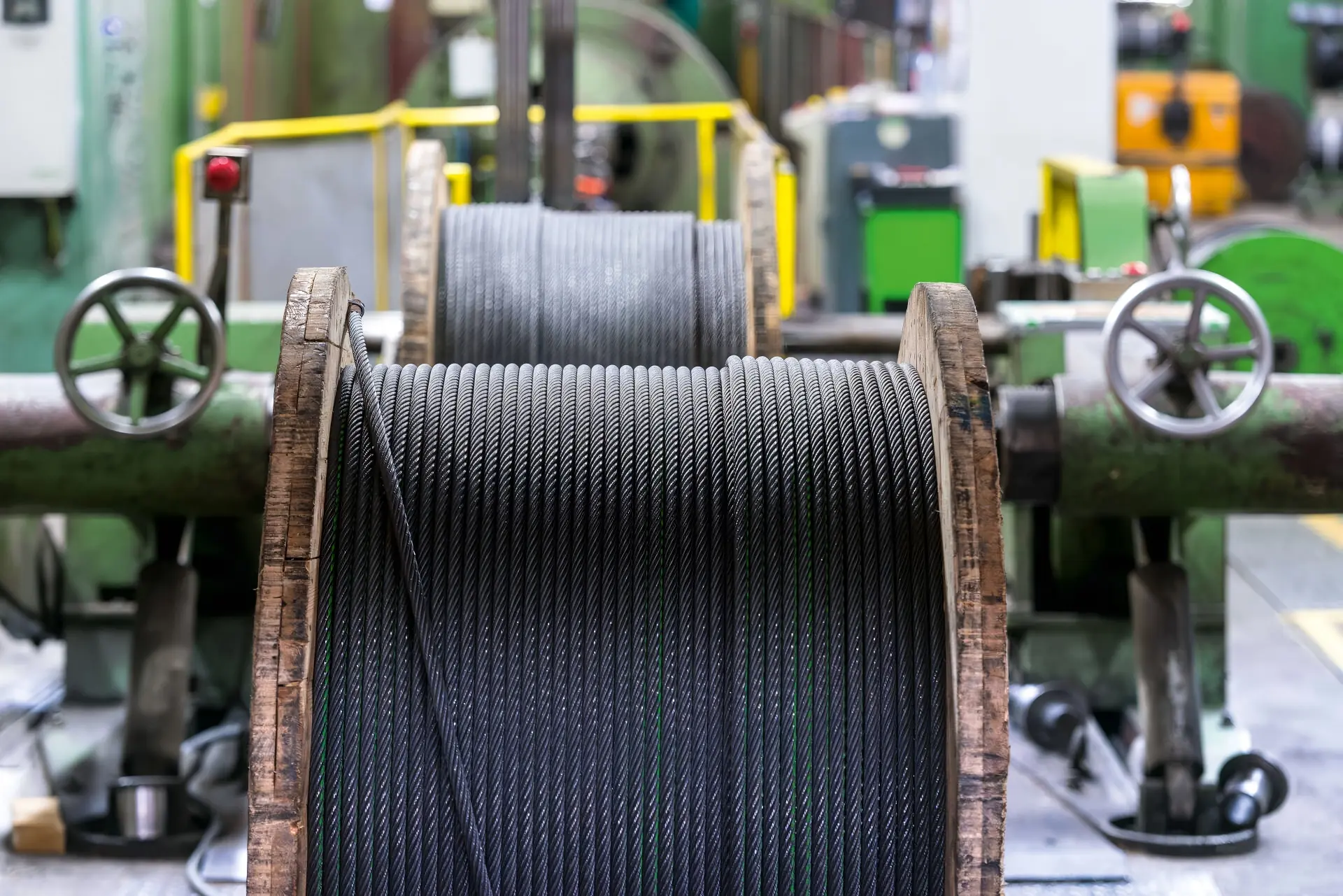
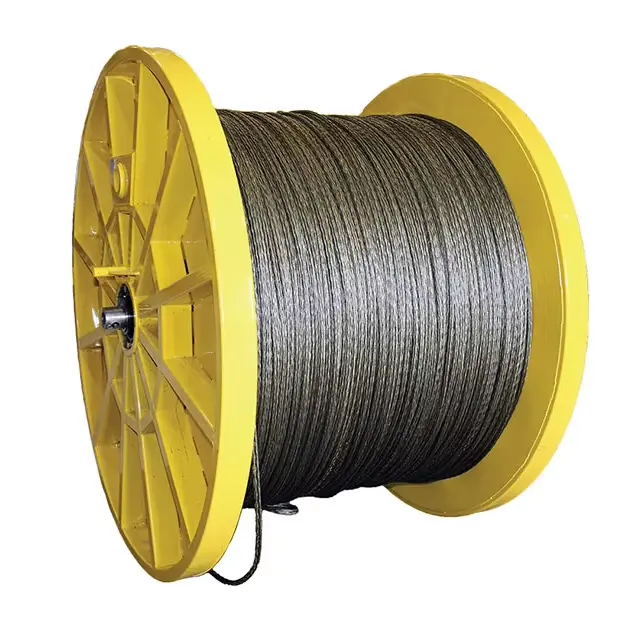
Lifting wire ropes consist of three parts:
Wires: Provide the primary strength.
Strands: Composed of multiple wires twisted according to a specific pattern, they are the basic load-bearing unit.
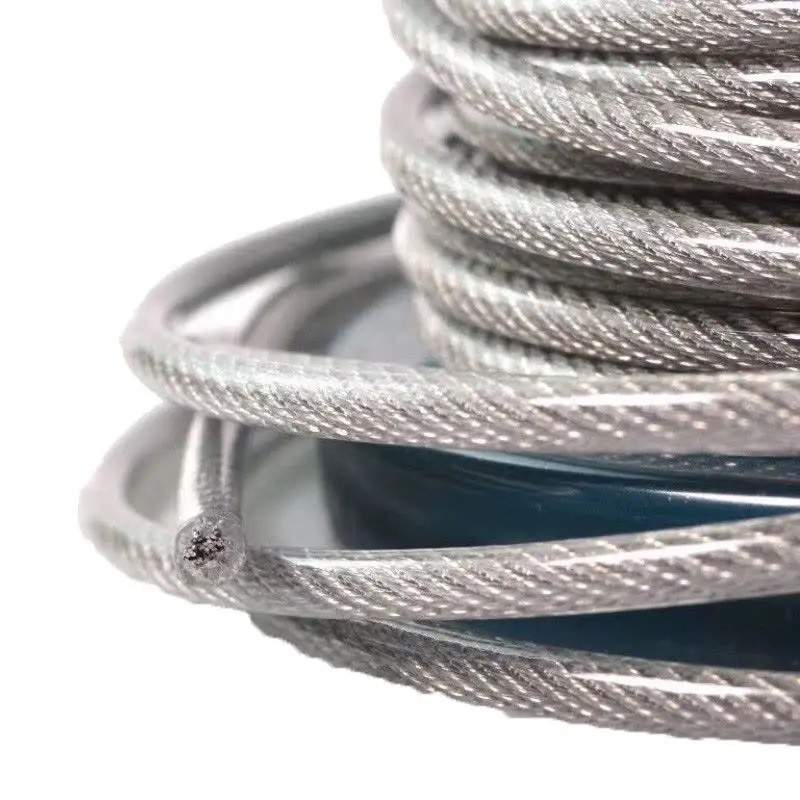
Core: Located at the center of the wire rope, it supports the strands, maintains the rope's cross-sectional shape, and stores lubricant. There are various core types, including fiber core (FC), wire rope core (IWRC), or wire strand core (WSC), with IWRC offering higher strength and compressive strength, making it the preferred choice for heavy-duty cranes.
2. Twisting Method
The twisting method determines the performance emphasis of the wire rope:
(1) Lang Lay: The wires and strands are twisted in the same direction. It offers better flexibility, fatigue resistance, and a longer service life, but requires higher anti-rotation performance.
(2) Ordinary Lay: The wires and strands are twisted in opposite directions. It offers higher structural stability and is less prone to loosening.
(3) Special Structure: For non-rotating wire ropes, a multi-layer strand structure (e.g., 35x7) is used. The inner and outer layers have opposite twist directions to counteract the rotational torque. This is particularly suitable for single-rope lifting applications and is an important feature for ensuring safety in high-altitude operations.
III. Durability and Protective Performance
To adapt to complex industrial and outdoor environments, lifting wire ropes must possess long-lasting durability.
1. Abrasion Resistance
When the wire rope passes through guide pulleys, pulley blocks, and drums, it will rub against metal surfaces. The outer wires need to have sufficient hardness and abrasion resistance to resist the reduction in effective load-bearing cross-sectional area caused by surface wear.
2. Corrosion Protection & Lubrication
Corrosion Protection: The steel wire is typically galvanized to provide basic sacrificial anode protection against atmospheric and moisture corrosion.
Internal Lubrication: High-quality lifting wire ropes incorporate high-quality penetrating grease during manufacturing. This lubricant not only reduces friction between wires and strands, alleviating fatigue, but also acts as a crucial barrier against internal corrosion. Grease loss is a significant cause of wire rope failure.
Summary: The main characteristics of lifting wire ropes can be summarized as follows:
| Features and Categories | Key features | Core role |
| Mechanical properties | Ultra-high strength, excellent fatigue resistance, and high toughness | Ensure safe and reliable lifting and carrying of heavy objects. |
| Structural characteristics | Multi-strand structure, metal/fiber core, anti-rotation design | It provides structural support, torsional resistance, and optimizes bending performance. |
| Durable properties | High wear resistance, galvanized for corrosion protection, internal lubrication | Extend service life and resist harsh environments and mechanical wear. |