






What are the main features and main uses of stainless steel belts?
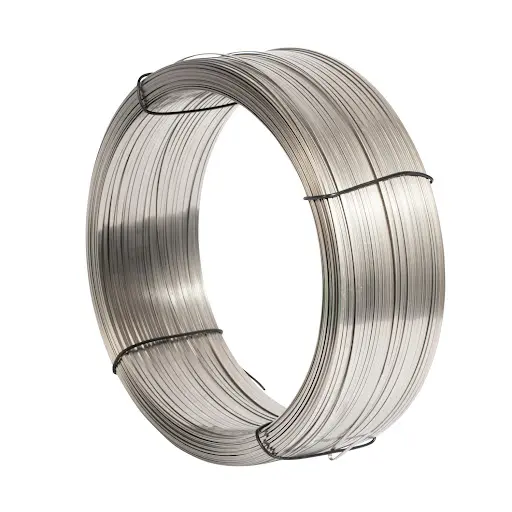
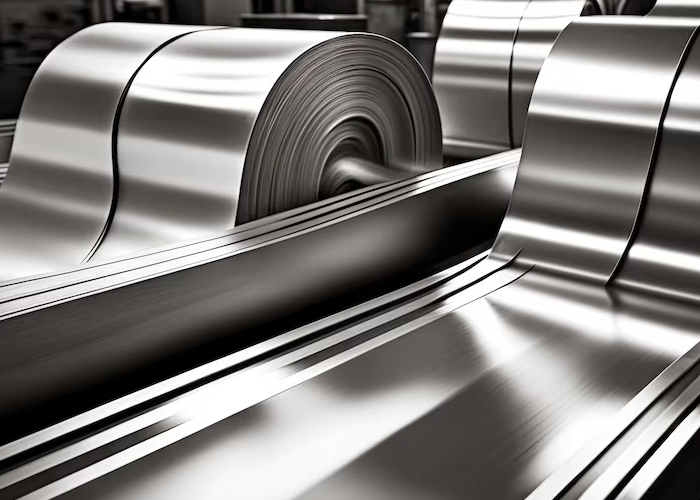
Stainless steel strip is a versatile material favored by numerous industries for its unique properties.
(I) Key Features of Stainless Steel Strip
Excellent Corrosion Resistance:
The core advantage of stainless steel strip lies in its exceptional corrosion resistance. This is primarily due to the chromium content, which forms a dense protective oxide layer on the surface, effectively protecting it from a variety of media. This ensures its stability even in harsh environments such as marine and chemical industries.
High Strength and Durability:
Stainless steel strip offers exceptional strength and durability, enabling it to withstand high-stress applications and ensure long-term reliability under a wide range of operating conditions.
High Temperature Resistance:
It can withstand high temperatures without deformation or structural degradation, making it suitable for applications requiring thermal exposure.
Hygienic Properties:
Stainless steel strip's dense surface resists bacterial growth, offering excellent hygienic properties, making it highly popular in the food and medical industries.
Excellent Processability:
Most Stainless Steel Strips are easily processed, including welding, forming, and polishing. Cold-rolled stainless steel strip is particularly renowned for its precise dimensions, uniform thickness, and high-quality surface finish, making it suitable for applications requiring stringent tolerances and aesthetics.
Aesthetics:
Stainless steel strip has a clean, modern appearance, and its surface finish can be further enhanced through methods such as electropolishing.
Economics:
While the initial cost may be higher, its long lifespan and low maintenance requirements make it a cost-effective long-term option.
(II) Main Uses of Stainless Steel Strip
Stainless steel strip has a wide range of applications, primarily in the following industries:
Construction Industry:
It is used as structural support, exterior wall cladding, roofing materials, and decorative elements.
Automotive Industry: It is used in the manufacture of body panels, exhaust system components, engine parts, and other automotive parts.
Electronic and Electrical Equipment: For example, components used in refrigerators and air conditioners, especially condensers.
Chemical and Food Processing Industry:
It is often used in the manufacture of tanks, pipes, equipment, and containers due to its corrosion resistance and hygienic properties.
Medical Devices:
It is used in the manufacture of surgical instruments, implants, etc., as it is easy to clean and biocompatible.
Precision Parts Machining:
Its precise dimensions and excellent properties make it an ideal material for manufacturing precision parts.
Springs and Fasteners:
Type 301 stainless steel strip, in particular, is often used in the manufacture of various springs, washers, and screws due to its high strength and good ductility.
Aerospace:
In the aerospace industry, its high strength, high-temperature resistance, and corrosion resistance make it an ideal choice for critical components.
Other Industries:
It is also widely used in kitchenware, tableware, marine accessories, architectural decoration, and industrial equipment.