



What are the structural types of galvanized steel wire rope?
Introduction
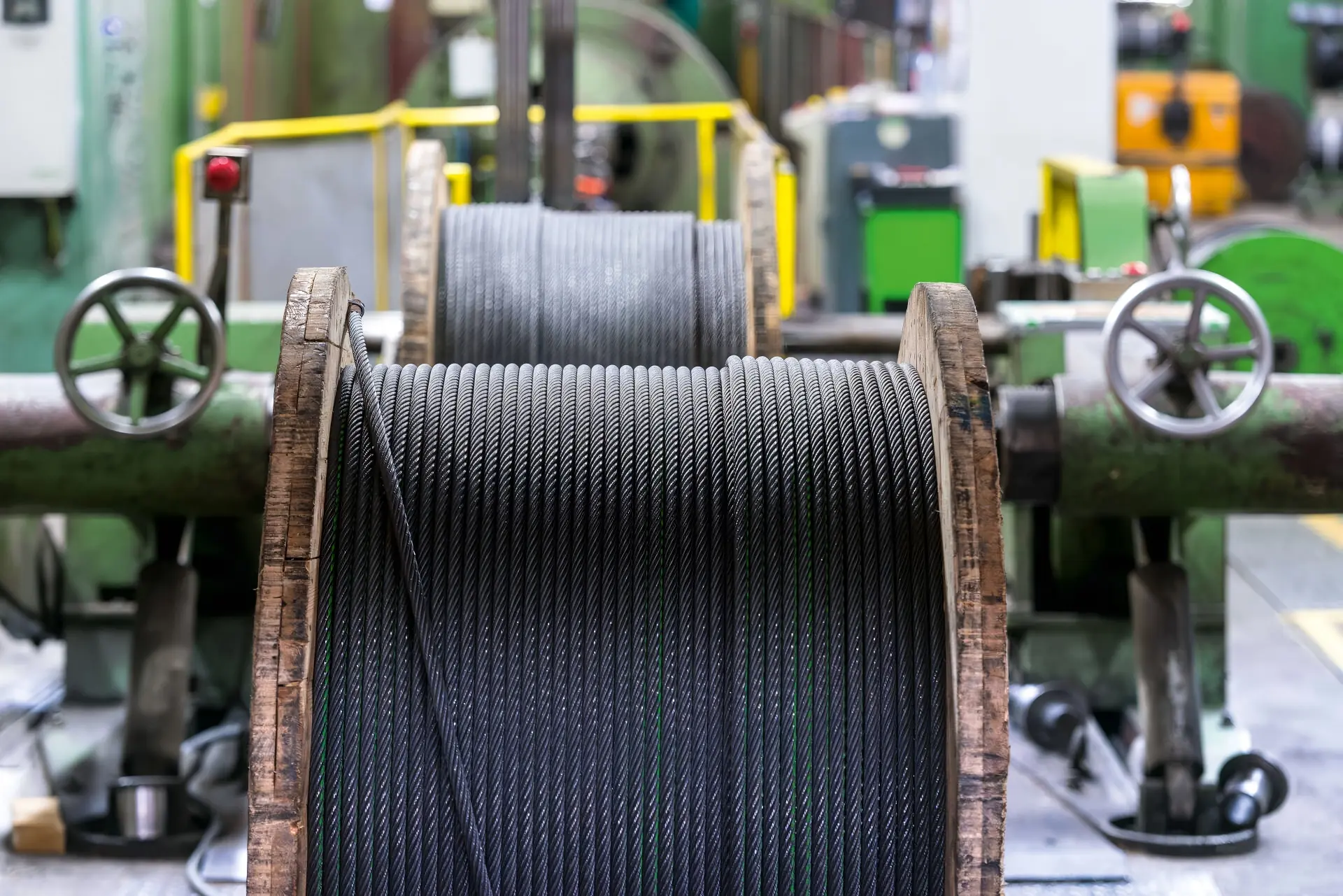
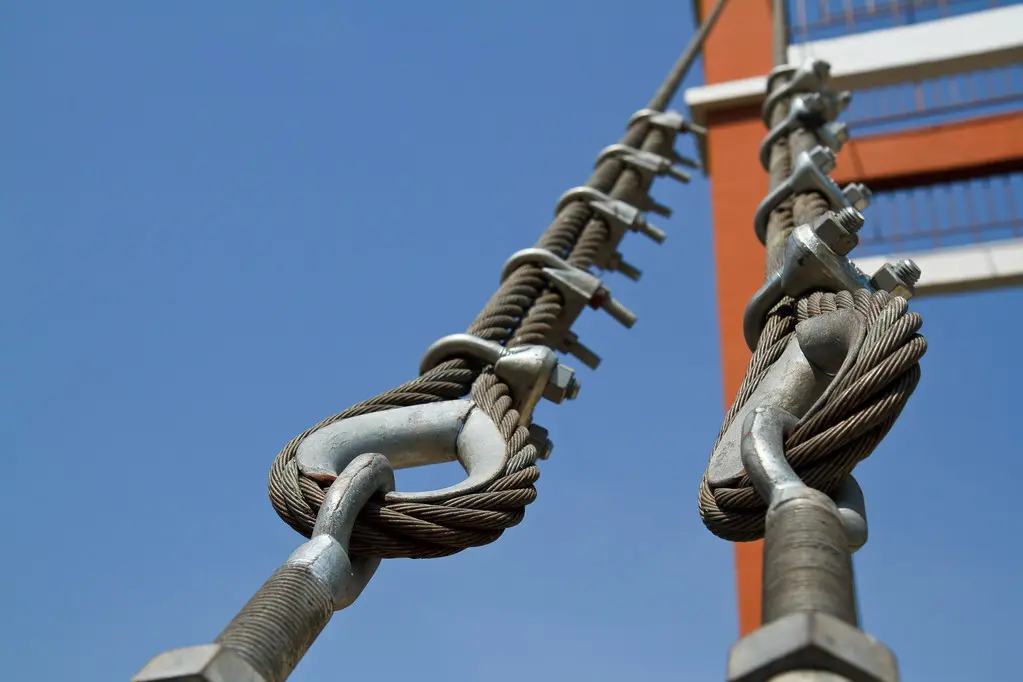
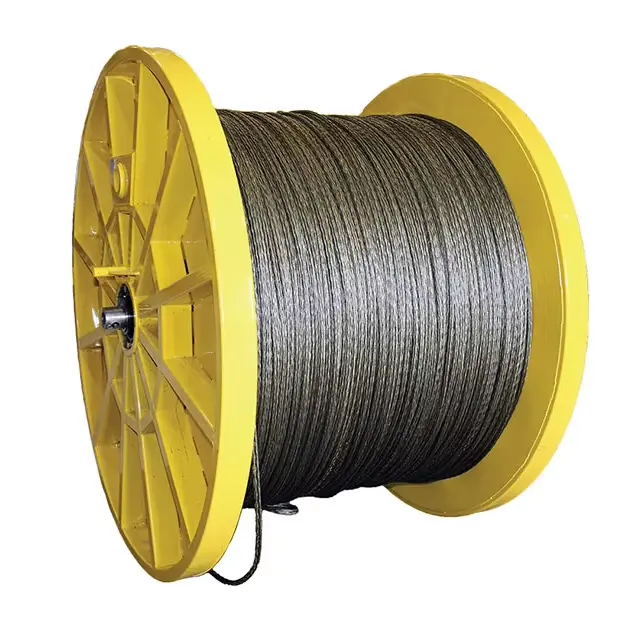
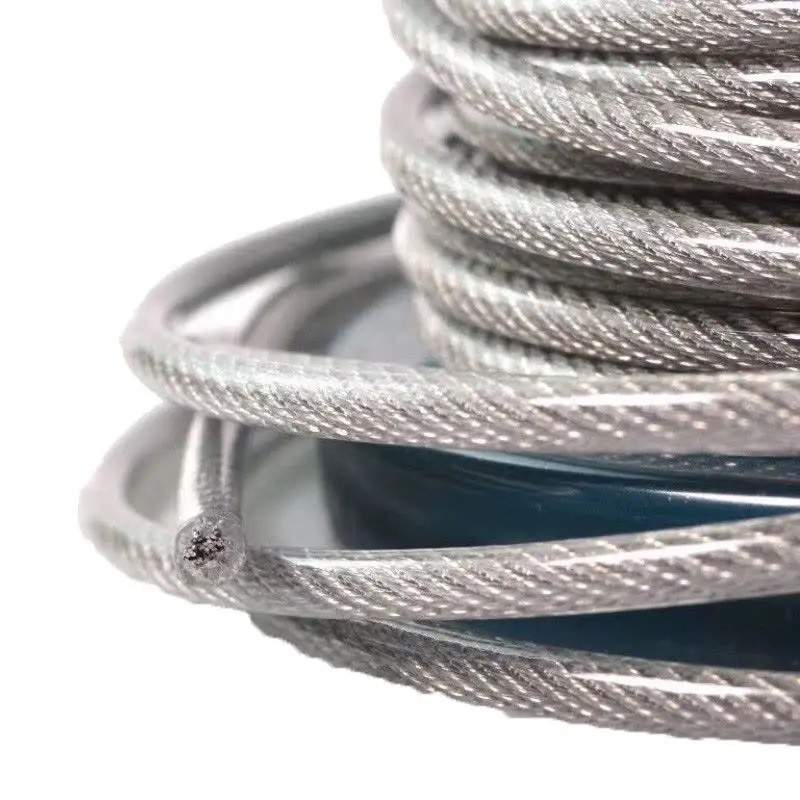
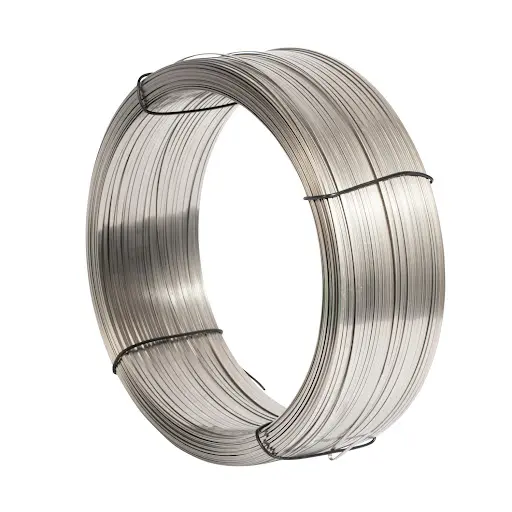
Galvanized Steel Wire Rope is one of the most widely used ropes in industrial fields. Its corrosion resistance is greatly improved by coating the steel wire with a layer of zinc. However, the key to determining the final performance and application of a steel wire rope lies in its construction. The construction of a steel wire rope refers to the arrangement and combination of the steel wires, strands, and core. Understanding these structural types is crucial for correct selection, ensuring safety, and maximizing service life.
I. Basic Structural Elements: Strands, Wires, and Core
The structure of galvanized steel wire rope can be broken down into three basic elements:
1.1. Wire: The basic unit constituting the steel wire rope, determining the rope's tensile strength and abrasion resistance. The galvanized layer adheres to its surface, providing corrosion protection.
1.2. Strand: Several steel wires twisted around a central core (which can be steel wire or fiber).
1.3. Core: Located at the center of the steel wire rope, its main function is to support the outer strands and maintain the rope's geometry.
The structural types of galvanized steel wire ropes are mainly classified according to the internal structure of the strands, the twisting method of the strands, and the type of the rope core.
II. Classification by the contact form of the steel wires inside the strand (the most crucial structural classification)
This is the most critical dimension in the structural classification of steel wire ropes, as it determines the rope's wear resistance, flexural fatigue performance, and compressive strength.
2.1. Point Contact
(1) Structural characteristics: The diameter and lay length of each layer of steel wire in the strand are the same, resulting in only point contact between adjacent layers of steel wire.
(2) Advantages: Simple production process and low cost.
(3) Disadvantages: Due to the concentration of contact stress, the wear rate is fast, fatigue fracture is prone to occur, and the bending fatigue resistance is poor.
(4) Applications: Mainly used in applications with low requirements, low speed, and low bending frequency.
2.2. Line Contact Steel Wire Rope
(1) Structural characteristics: The diameter and lay length of adjacent layers of steel wire in the strand are specially designed so that the steel wires contact each other along a line. Common structures include Seale, Warrington, and Filler.
(2) Seale (S): The outer layer of coarse steel wire provides abrasion resistance, while the inner layer of fine steel wire provides flexibility.
(3) Warrington (W): The outer layer of steel wire is arranged with alternating thick and thin wires, balancing flexibility and abrasion resistance.
(4) Filler (F): Fine steel wires are filled into the gaps between the inner strands to form smoother strands.
(5) Advantages: Uniform stress distribution between steel wires, low internal friction, and a service life approximately 30% longer than point contact ropes.
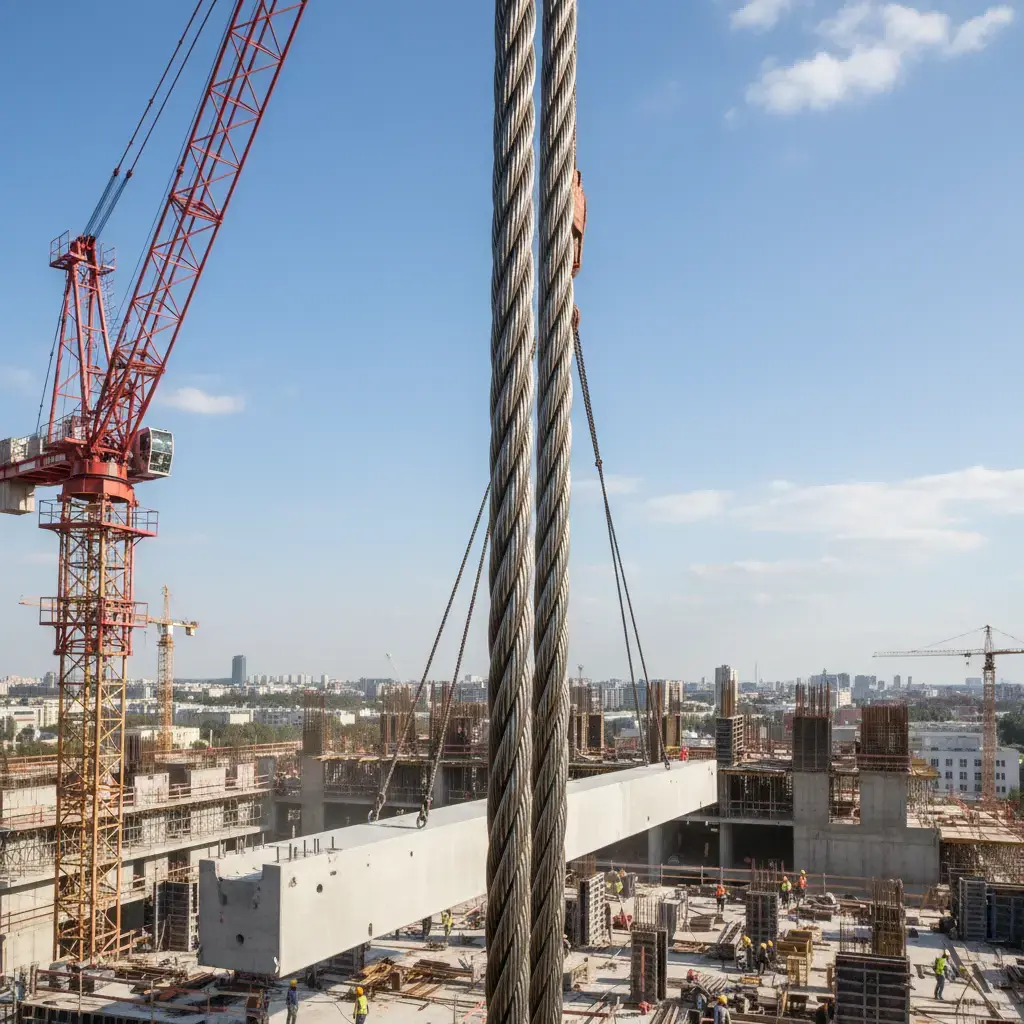
(6) Applications: Widely used in cranes, elevators, mine hoists, and other applications where high service life and safety are required.
2.3 Surface Contact Wire Rope
(1) Structural characteristics: The outer layer of steel wire in the strand has an irregular cross-section, resulting in a large contact area between the wire rope and the pulley groove. Alternatively, a special process can be used to make the contact between the steel wires approach surface contact.
(2) Advantages: Excellent resistance to compression, wear, and corrosion; extremely high structural stability.
(3) Disadvantages: Difficult to produce; high cost.
(4) Applications: Mainly used in large winches, cableways, and special marine engineering projects requiring multi-layer winding and high wear resistance.
III. Classification by Rope Core Type
The rope core is the key to supporting the steel wire rope structure, and its type directly affects the rope's flexibility, strength, and operating environment.
3.1 Fiber Core Steel Wire Rope (FC)
(1) Structural Characteristics: The rope core is composed of natural fibers (such as sisal, cotton) or synthetic fibers (such as polypropylene).
(2) Advantages: Good flexibility; lighter than steel core ropes of the same diameter; the fiber core can store lubricating oil, providing lubrication.
(3) Disadvantages: Lower strength; poor compressive strength and heat resistance. (4) Applications: Generally used for traction, binding, and ordinary lifting applications with relatively small loads and high flexibility requirements.
3.2 Independent Wire Rope Core (IWRC/WSC)
(1) Structural Characteristics: The core consists of an independent wire rope (IWRC) or wire strand (WSC).
(2) IWRC: The core itself is a small wire rope, with stable structure and good resistance to compression.
(3) WSC: The core is made of one or more strands of wire twisted together.
(4) Advantages: High strength, resistance to compression, good heat resistance, and low elastic elongation.
(5) Disadvantages: Slightly less flexible than fiber core, and relatively heavier.
(6) Applications: Used for heavy loads, multi-layer winding, high-temperature environments (such as metallurgical hoisting), and lifting equipment with extremely high safety requirements.
IV. Classification by Twisting Direction and Method
4.1 Classification by Twisting Direction
(1) Right-hand twist (Z-Lay): The strands are twisted around the core in a right-upper ("Z") direction.
(2) Left-hand twist (S-Lay): The strands are twisted around the core in a left-upper ("S") direction.
4.2 Classification by Twisting Method
(1) Lang Lay: The twist direction of the wires within the strands is the same as the twist direction of the strands around the core.
Advantages: Large contact area, good flexibility and wear resistance.
Disadvantages: Prone to loosening and spinning (high rotational tendency), requiring anti-rotation measures.
(2) Regular Lay: The twist direction of the wires within the strands is opposite to the twist direction of the strands around the core.
Advantages: Stable structure, not prone to loosening and spinning, most widely used.
Disadvantages: Slightly inferior wear resistance to lang lay.
Conclusion
Galvanized steel wire ropes come in a variety of structural types, ranging from basic point contact to high-performance surface contact, and from flexible fiber cores to robust steel cores. Each structure is designed to meet specific industrial needs. Engineers should select the most suitable galvanized steel wire rope based on factors such as working load, flexural frequency, working environment (corrosion, high temperature), and equipment type, combined with the aforementioned structural knowledge, to ensure the safety and economy of the project.